



Your resume should do more than list your past jobs and a few relevant skills. It should highlight the unique strengths that set you apart. Adding your strengths in a resume can shine a spotlight on your expertise and value. In this article, we’ll show you the best key strengths for a resume with tips for how to showcase them effectively.
What are some key strengths for a resume?
Your resume strengths are the skills and abilities that make you a qualified candidate for the job. These can include your technical proficiencies, your interpersonal strengths, and your transferable skills.
Some of the best strengths to list on a resume include:
- Customer service
- Public speaking
- Computer skills
- Project management
- Data analysis
- Critical thinking
- Organization
- Communication
- Problem solving
- Leadership
- Conflict resolution
- Creativity
- Adaptability
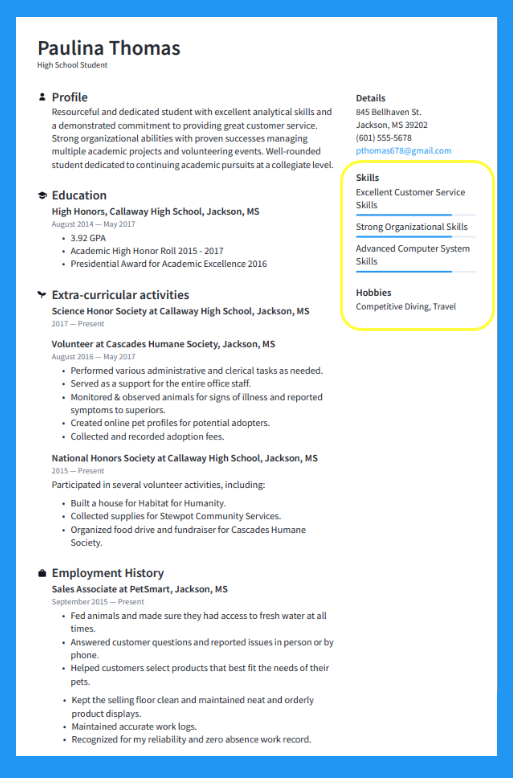
Types of skills and strengths for a resume
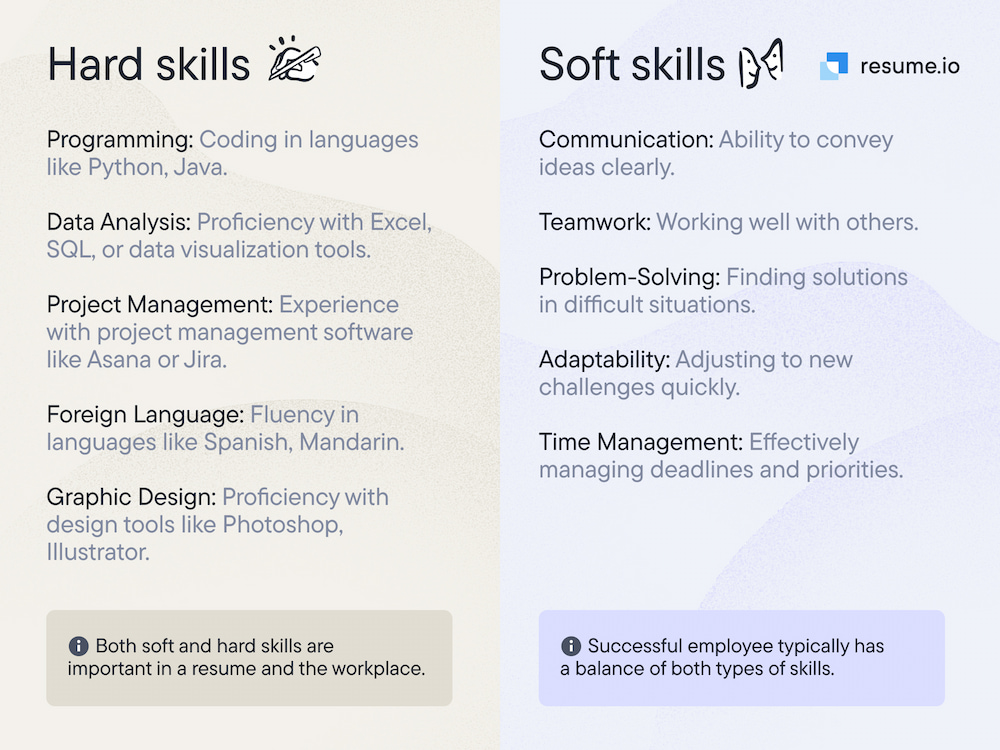
The strengths you highlight on your resume will depend on your experience and industry, but they typically fall into one of three categories: soft skills, hard skills, or transferable skills.
Soft skills
Your soft skills are the interpersonal traits you use to work with others and manage your tasks. No matter what field you’re in, you should include a few soft skills in your resume.
Some common soft skills and strengths for a resume include:
- Organization
- Critical thinking
- Innovation
- Time management
- Communication
- Decision making
- Problem solving
- Leadership
- Conflict resolution
- Negotiation
Hard skills
Unlike soft skills, hard skills are the abilities you learn through practice, training, or on-the-job experience. The hard skills you list should show an employer that you have the required knowledge for the role.
While hard skills vary depending on the position, these are some common ones for a resume:
- Project management
- Data analysis
- Programming languages
- Financial modeling
- Graphic design
- Writing and editing
- Other languages
- Customer relationship management
- Sales and marketing
- Artificial intelligence
Transferable skills
Transferable skills are the strengths you can use across jobs or industries. These are good skills to highlight if you’re changing careers or transitioning into a new role.
Transferable skills and strengths for a resume can include:
- Research
- Analytical thinking
- Management
- Public speaking
- Adaptability
- Teamwork
- Initiative
- Multitasking
- Customer service
- Emotional intelligence
How to add strengths on a resume
Now that you know some good skills for a resume, follow these steps to showcase your core strengths to potential employers.
1. Identify strengths to put on a resume
First, start by identifying the strengths you want to list on your resume. You can determine your most valuable skills in a few ways:
- Consider the employer’s perspective. What strengths has the employer outlined in the job description? Tailor your resume strengths to match what a company is looking for.
- Analyze performance reviews. Think about what past managers or supervisors have said about your skills and work ethic in past performance reviews. This feedback can give you a good idea of how other people perceive your strengths.
- Take an online skills assessment. If you’re really struggling to identify your skills, take an online aptitude test, such as resume.io’s free Career Assessment. These assessments can offer some objective insights into your top strengths and skills for a resume.
- Do self-reflection exercises. Spend some time reflecting on your career accomplishments and the skills you’ve used to succeed in other jobs. You may find it helpful to journal about your strengths and proficiencies.
2. Showcase strengths in your resume summary
Once you’ve identified some valuable resume strengths to highlight, make a plan for incorporating them. Your resume summary is a great place to include core strengths examples. In one or two sentences, draw a hiring manager’s attention to your most impressive abilities.
Results-focused marketing analyst with over six years of experience developing data-informed strategies and managing coordinated campaigns. Known for strong analytical and project management skills, with a record of increasing brand engagement by 33%. Skilled in SEO, content strategy, and marketing campaign analytics.
3. Highlight strengths in your employment history
In your work experience section, you have more space to expand on your resume strengths. Include specific details and data to show how your skills add value to a team or organization. Write strong bullet points tying your strengths to measurable outcomes in your past jobs.
Customer Service Representative
Amazon, 2022–2025
- Handled an average of 40+ customer inquiries per day through email and live chat, providing exceptional service to maintain a 95% customer satisfaction rating.
- Managed billing and service issues with empathy to resolve customer conflicts and minimize churn.
- Documented customer interactions using CRM software to support collaboration across sales and service departments.
- Recognized as Employee of the Month twice for a friendly attitude and team-focused approach.
Include strengths using the exact language from the job description. Offer examples of how you apply each strength on the job.
Stuff your resume with strengths, skills, or qualifications you don’t have. Be truthful on your resume at all times.
| DO: | DON’T: |
|
|
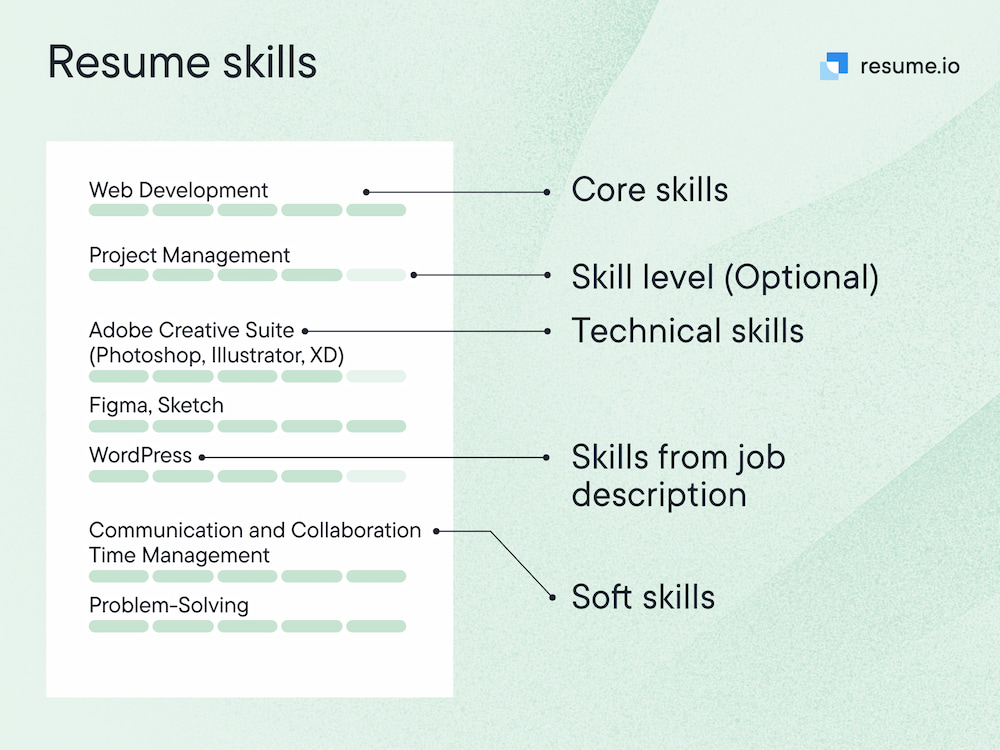
4. List strengths in your skills section
In the skills section, list your top strengths in bullet points. Make sure to include both hard and soft skills to show your versatility. The skills section is also a good place to incorporate keywords from the job description, which can help your resume rank higher with applicant tracking system (ATS) software.
- Office management
- Vendor coordination
- Scheduling software
- Basic accounting
- Conflict resolution
- Communication
- Teamwork
Examples of strengths to put on a resume
Check out these core strengths examples for resumes, including entry-level, mid-level, and executive-level professionals.
Strengths for an entry-level resume
- Strong work ethic
- Willingness to learn
- Collaboration
- Microsoft Office
- Google Suite
- Adaptability
- Positive attitude
Strengths for a mid-level resume
- Project management
- Team leadership
- Data analysis
- Critical thinking
- Inventory management
- Process improvement
- Quality assurance
- Communication and presentation
Strengths for an executive-level resume
- Budgeting and financial oversight
- Stakeholder engagement
- Change management
- Team development
- Operations management
- Business intelligence
- Strategic planning and forecasting
- Contract negotiation
- Cultural leadership
FAQs about resume strengths
Want to know more about including strengths in a resume? Check out these frequently asked questions below.
How many strengths should I put on my resume?
Your skills section should list 7 to 10 of your most relevant strengths. Beyond that, you should also mention your strengths in the resume summary and work experience sections, though there’s no specific number you need to include in those places.
Should I include both hard and soft skills?
Yes! Your resume should outline both your top technical skills and interpersonal strengths to show that you’re a well-rounded candidate.
What if I have no work experience?
If you don’t have work experience, focus on the transferable skills you’ve gained from school, internships, or volunteer work. These skills might include teamwork, communication, time management, and organization.
What if I’m still unsure how to include strengths in my resume?
Resume.io is here to help! Our resume builder is a great, easy-to-use tool that will help you weave your strengths and skills throughout each section of your resume.


