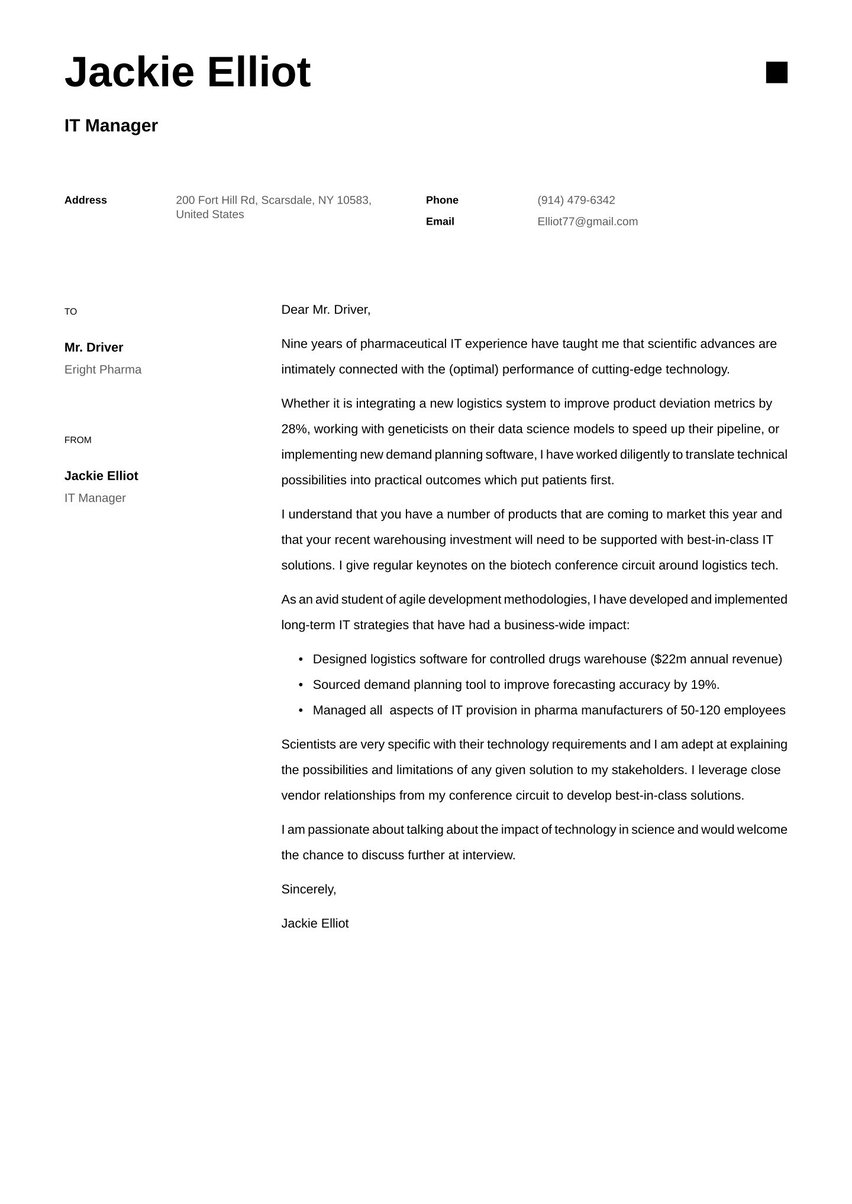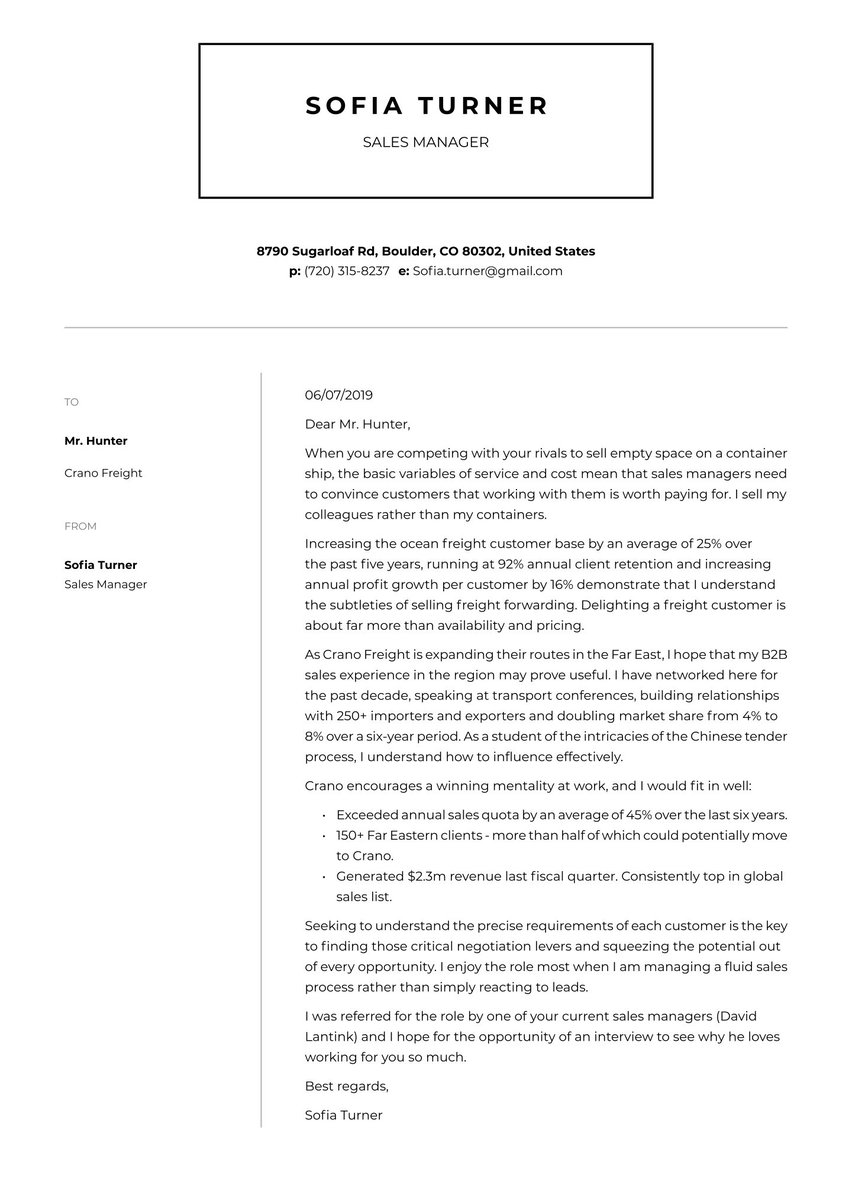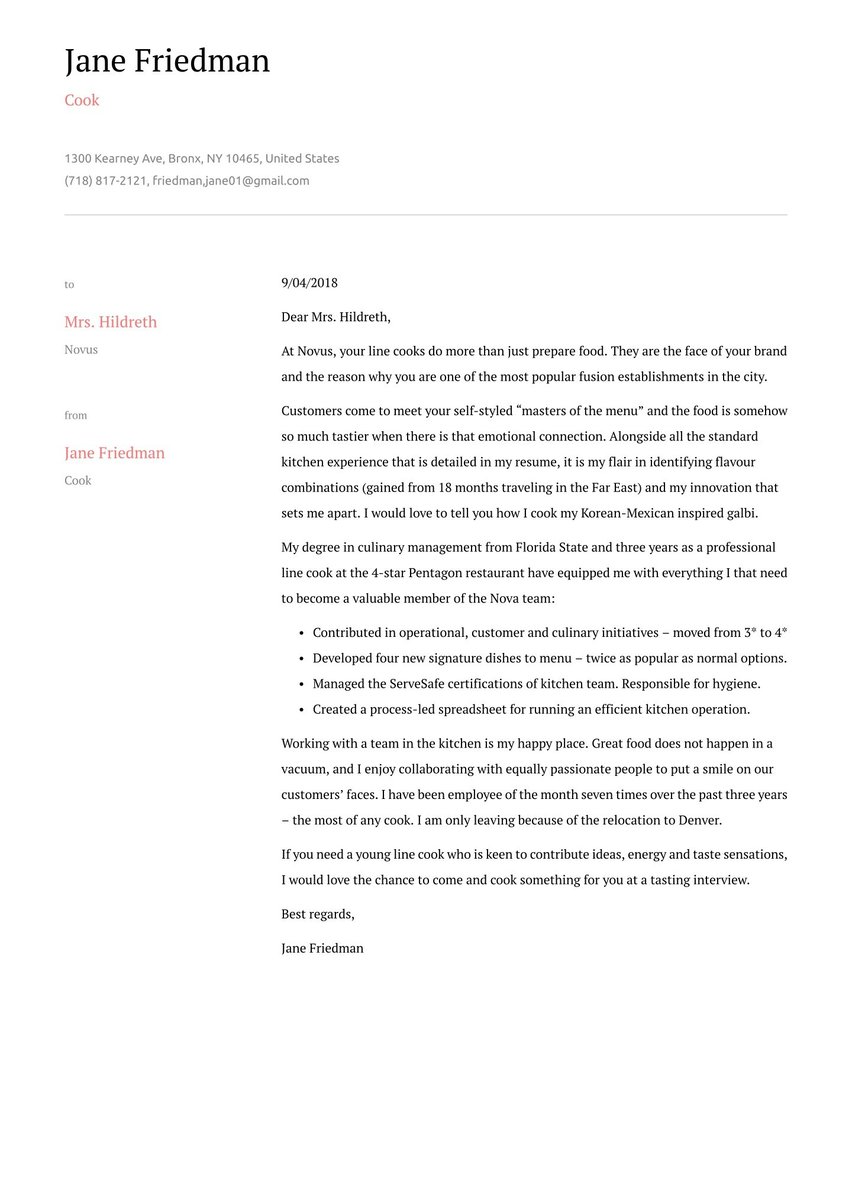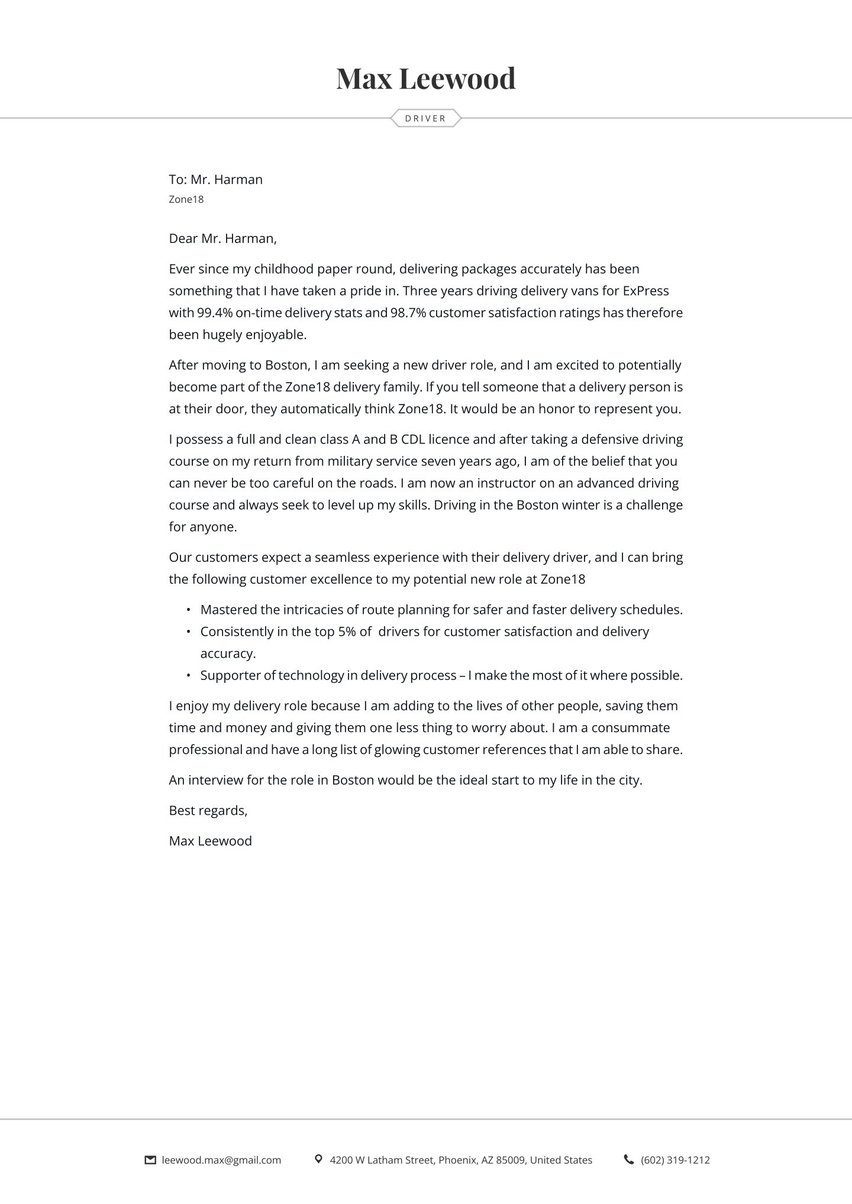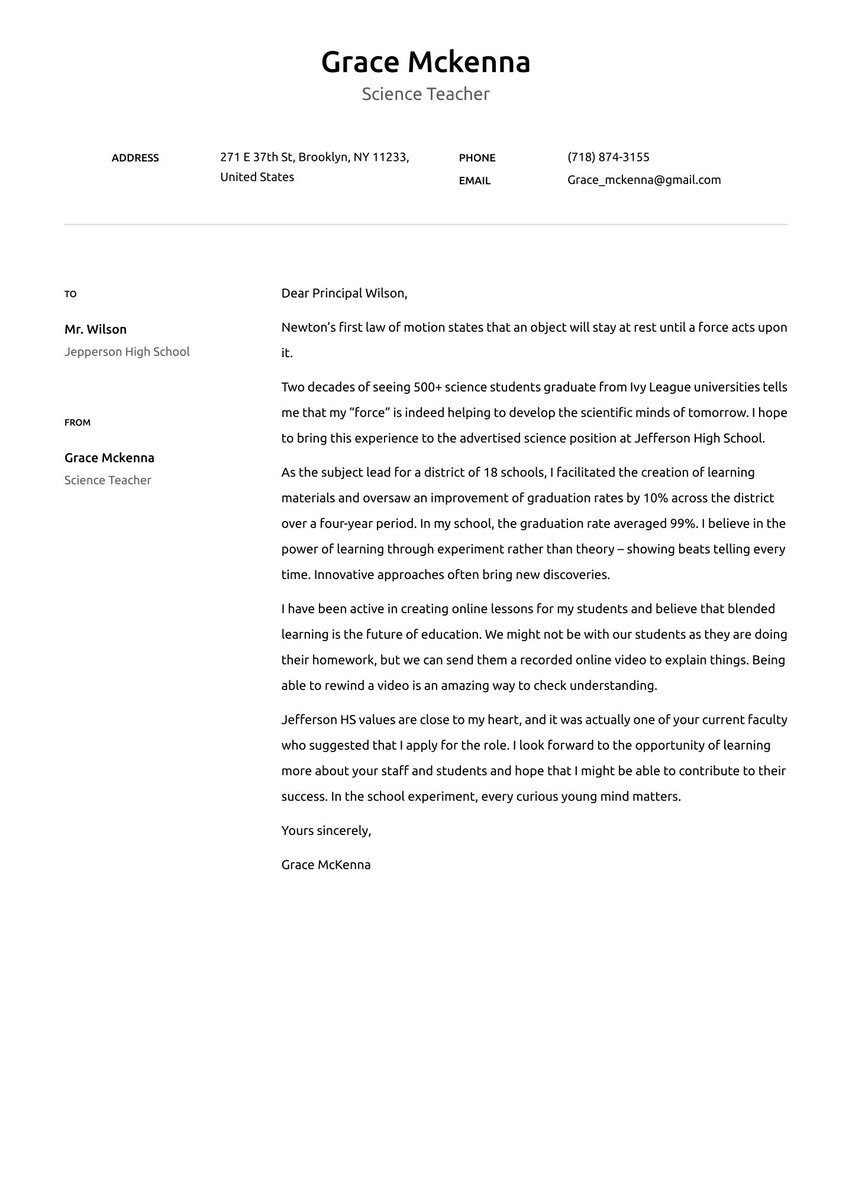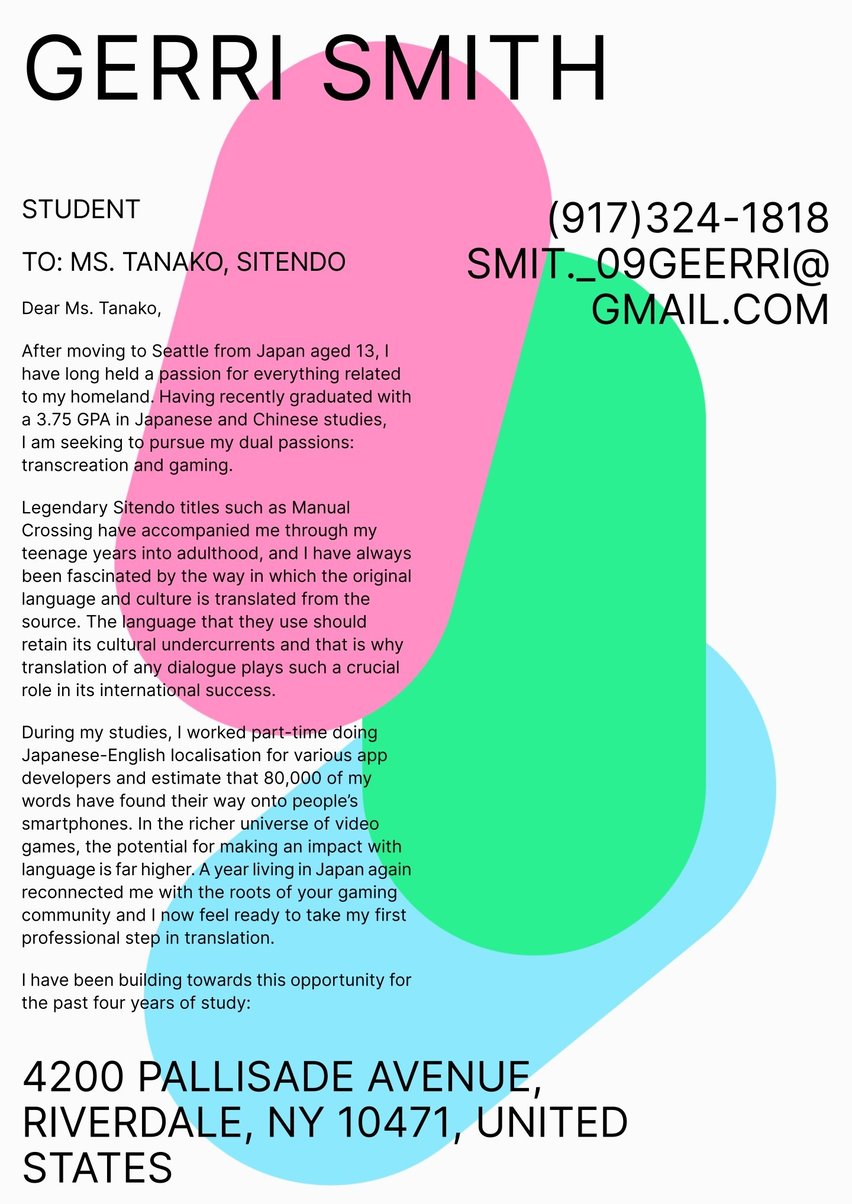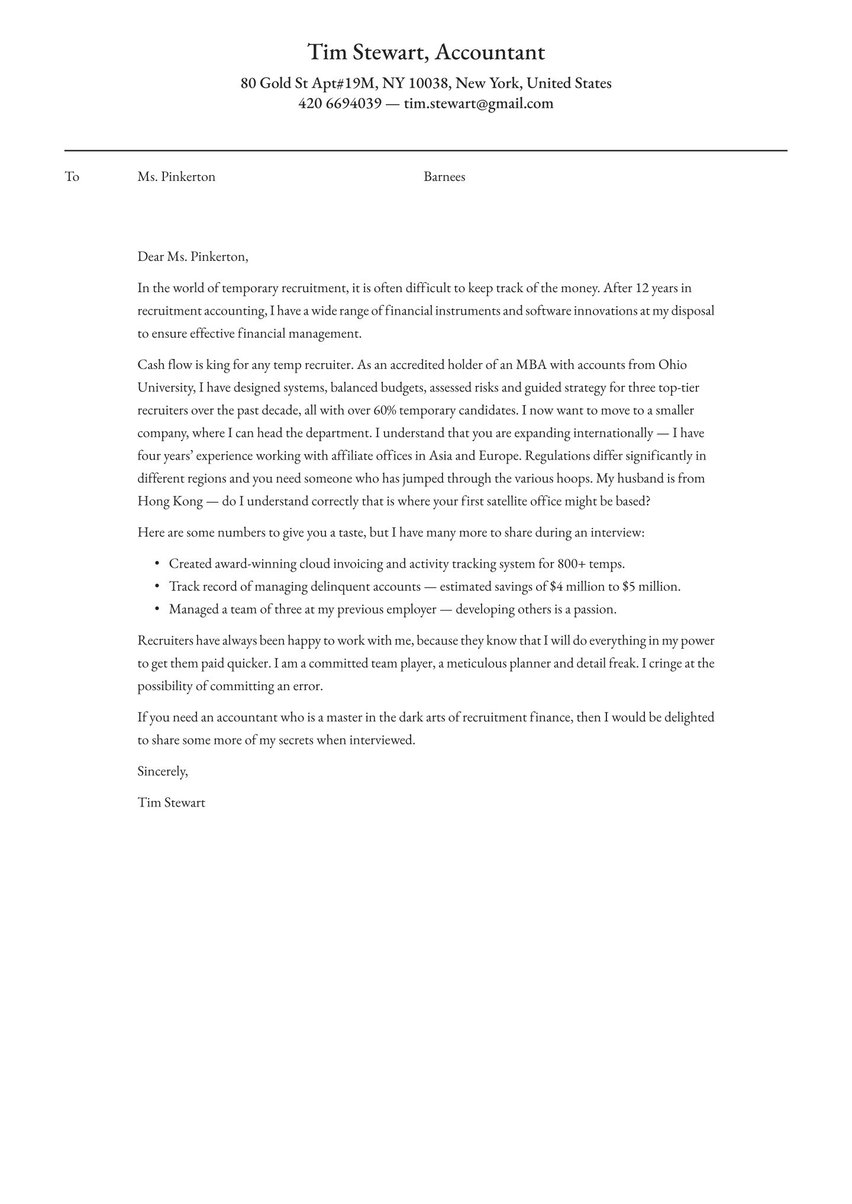


Whether you’re a researcher with years of experience or a recent grad fresh out of a computer science program, landing your next data scientist position doesn’t have to be complicated. An exceptional data scientist cover letter can provide the winning edge you need in a competitive job market.
Related Cover Letter Examples
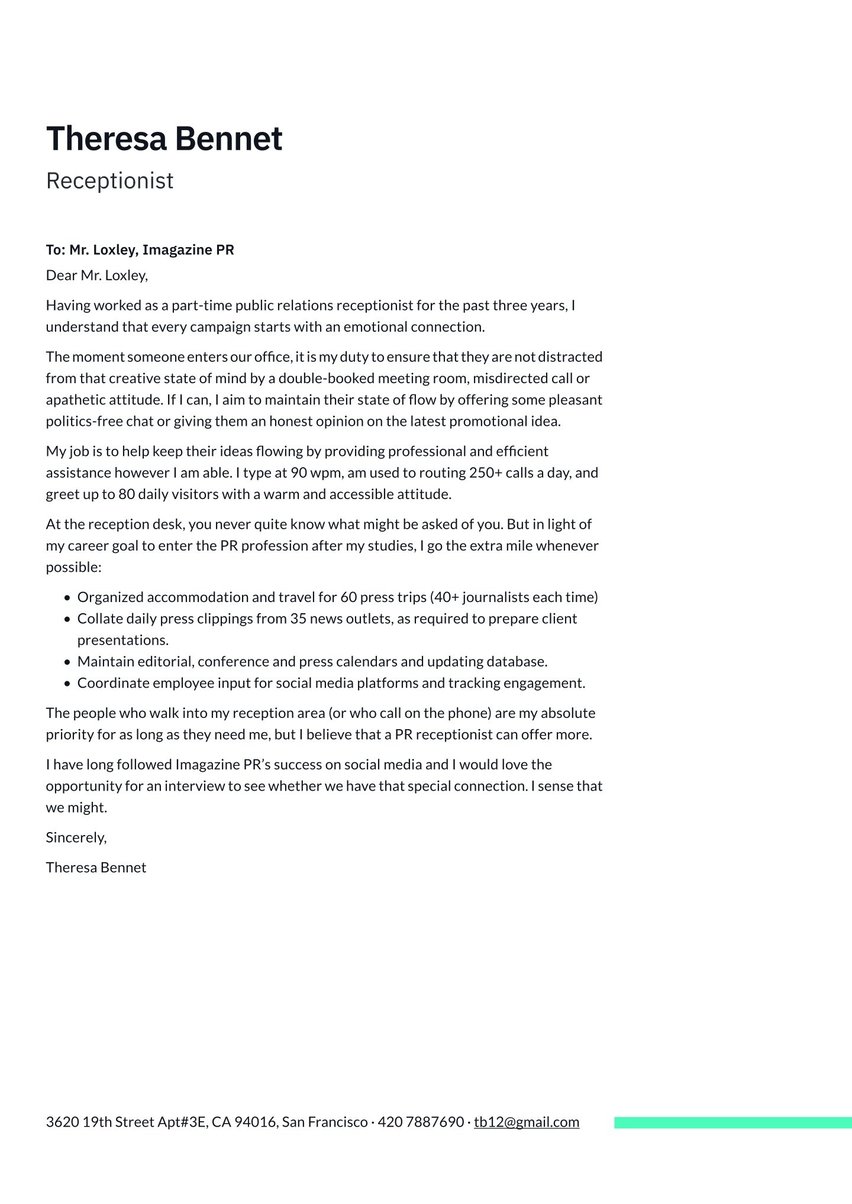
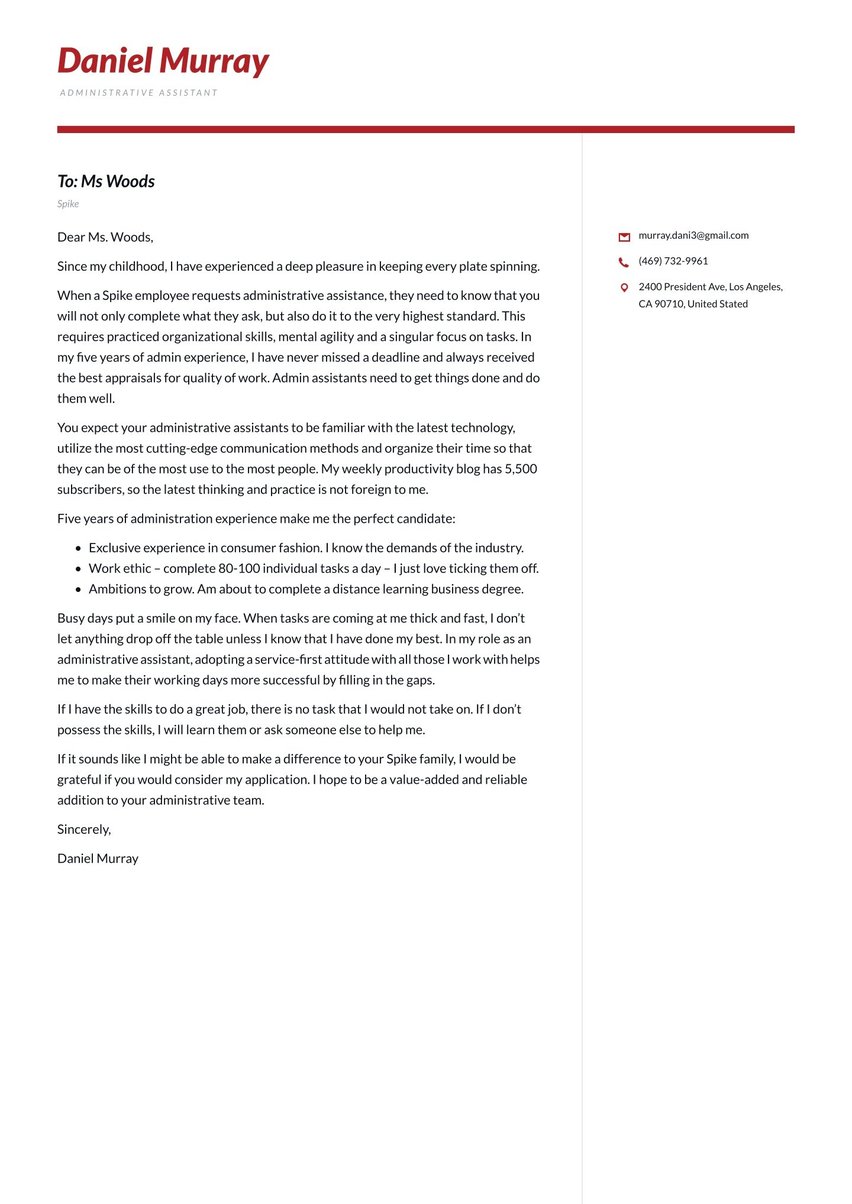
Data Analyst cover letter example
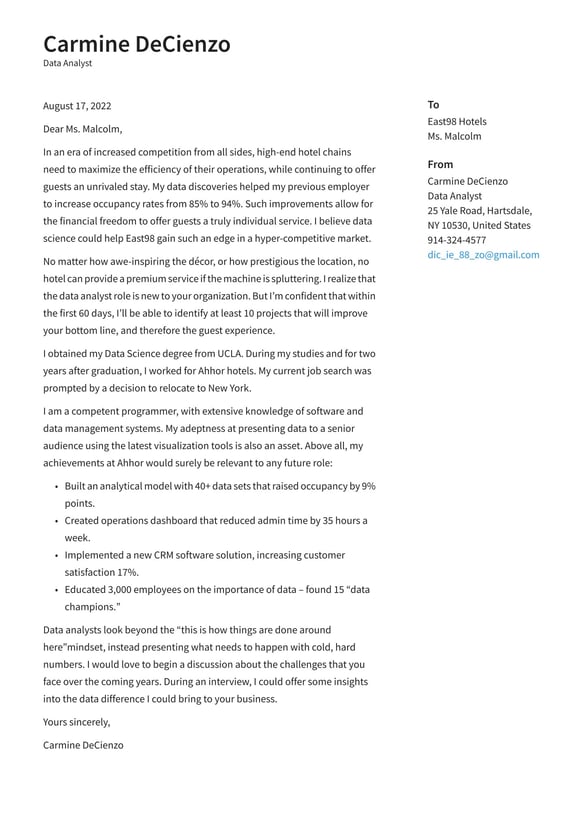
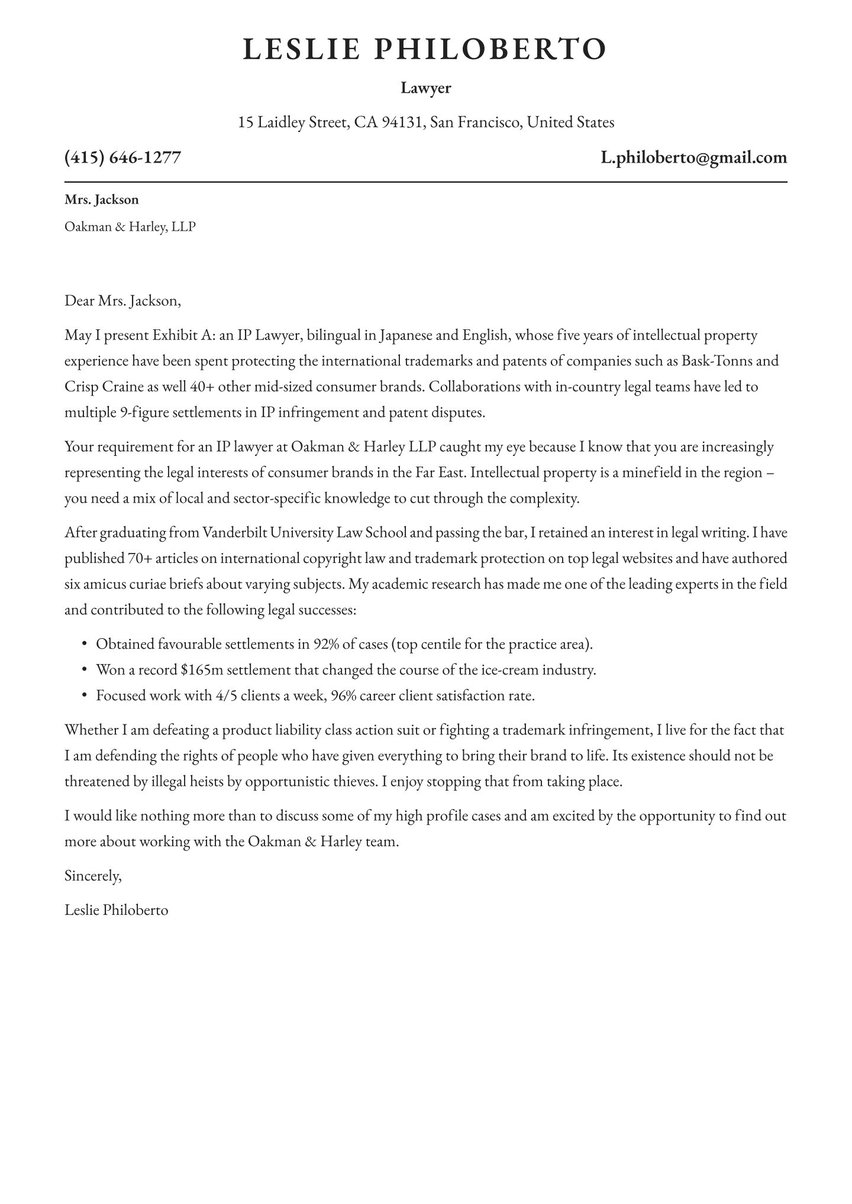
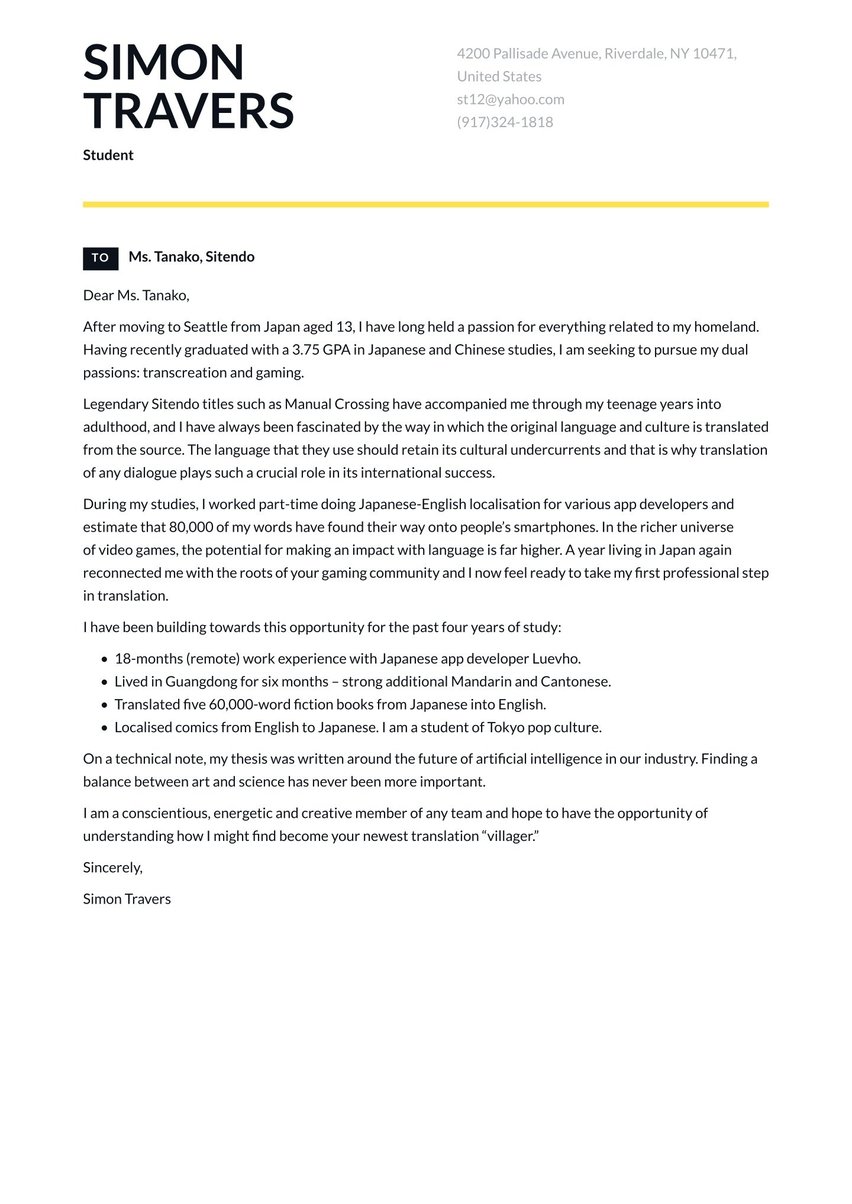
Perfect for data analyst roles, this clean, structured template highlights precision and clarity. Its balanced white space and modern header styling amplify your analytical strengths, ensuring your insights resonate with data-driven employers.
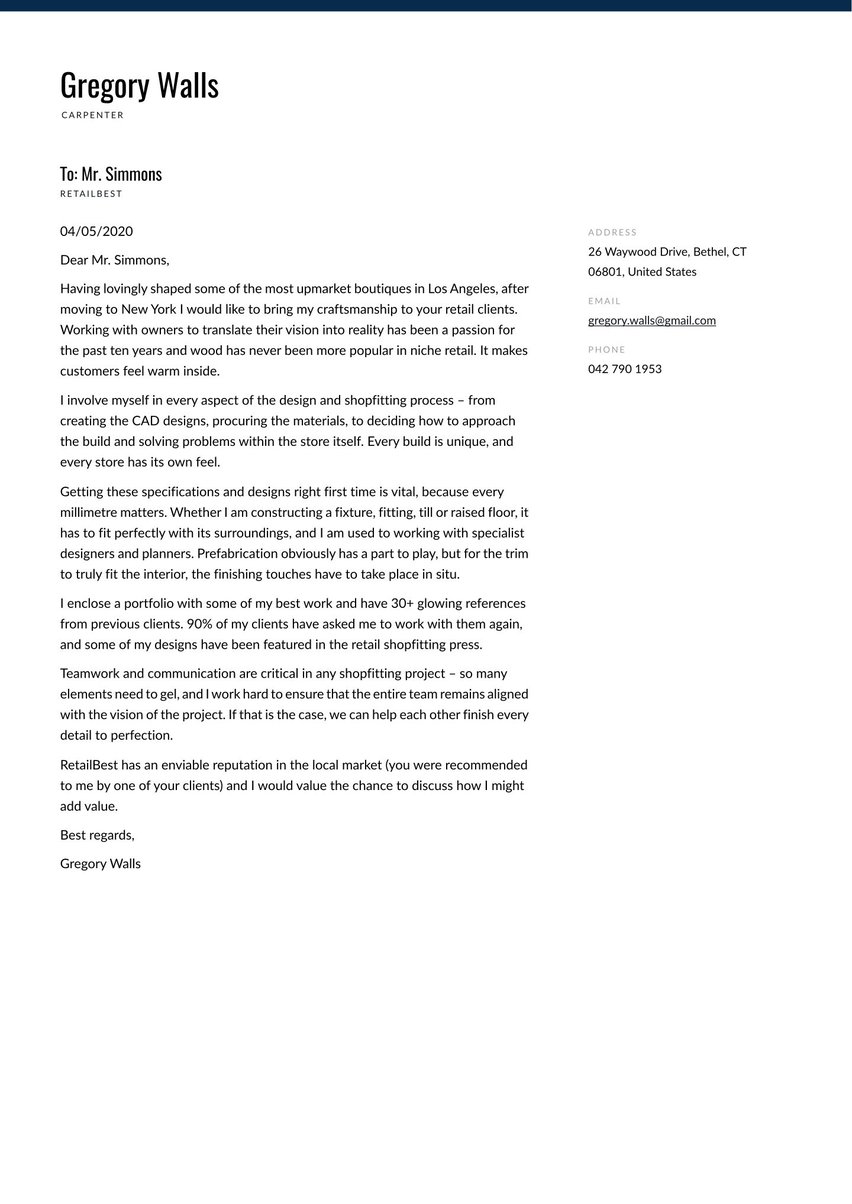
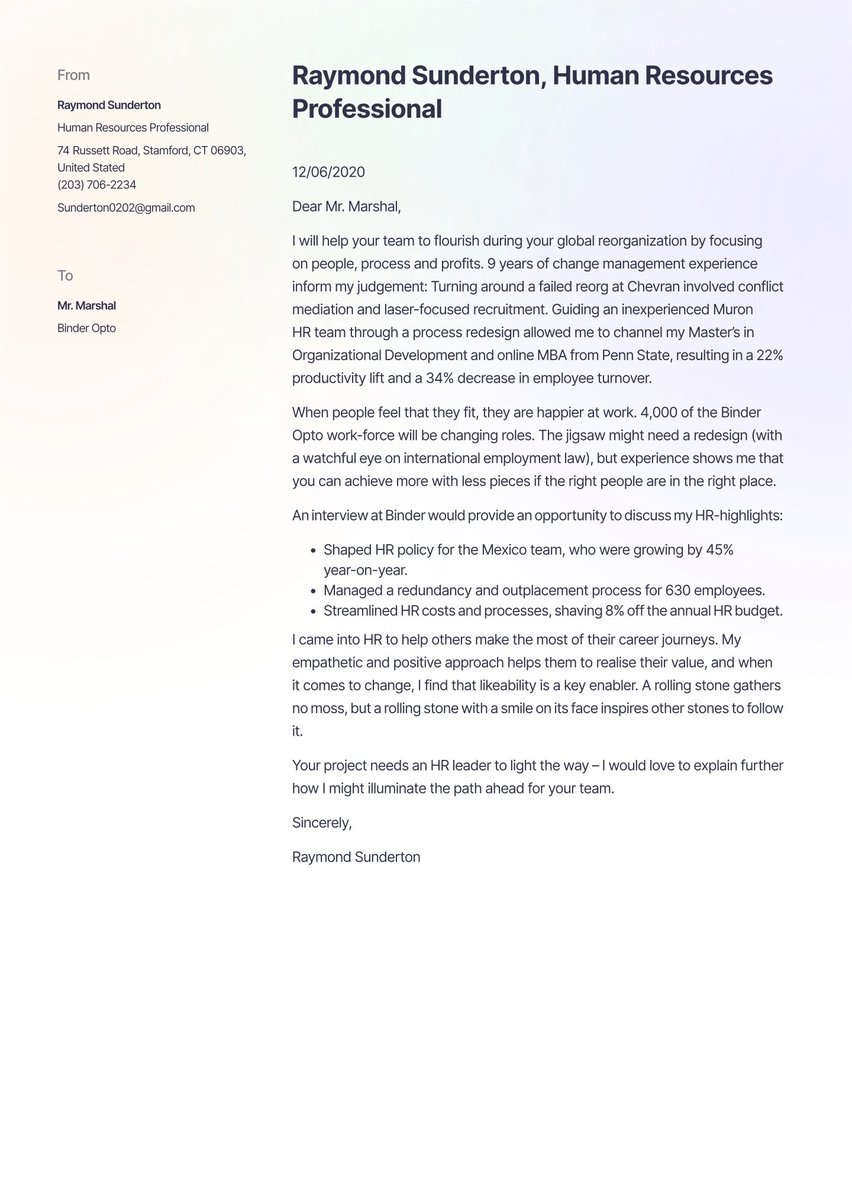
Business Intelligence cover letter example
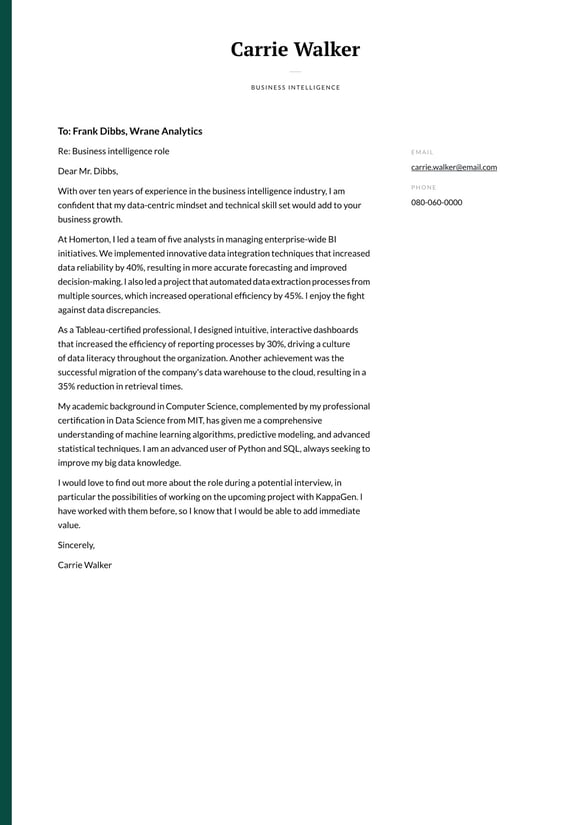
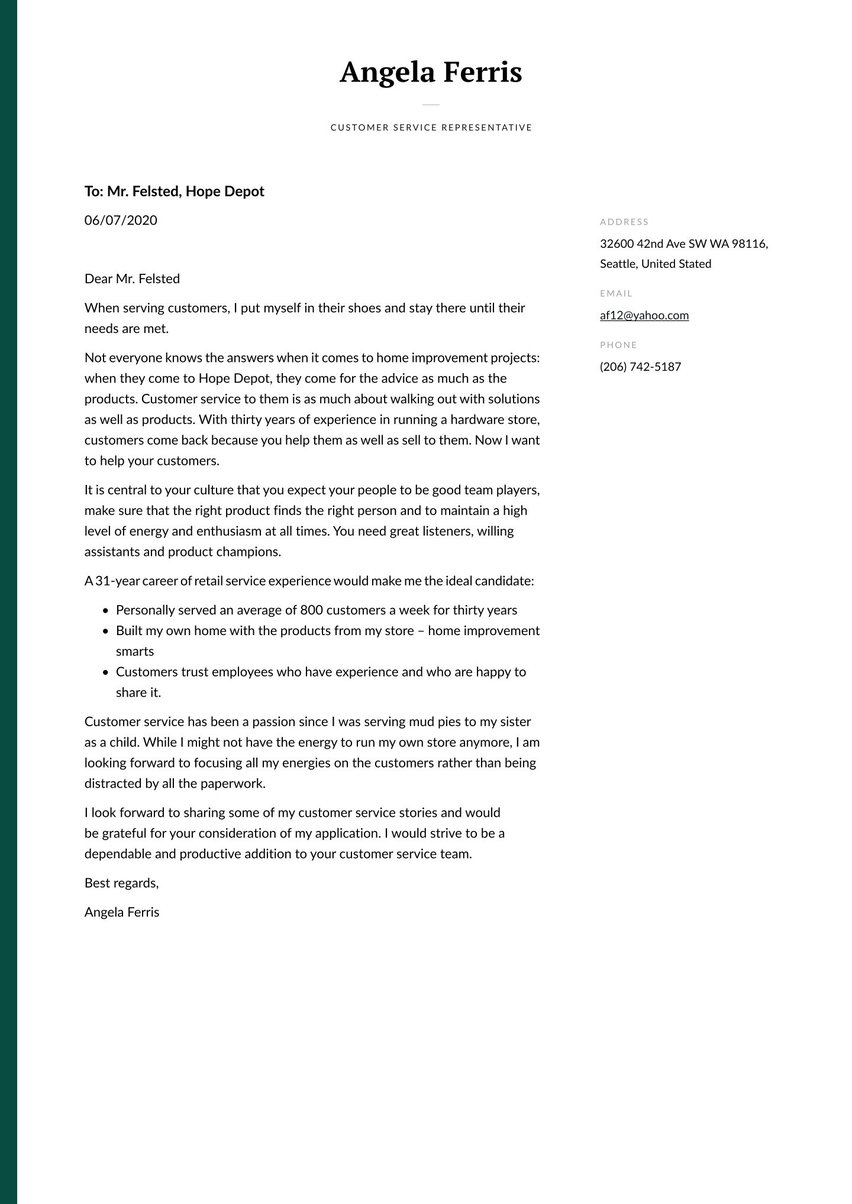
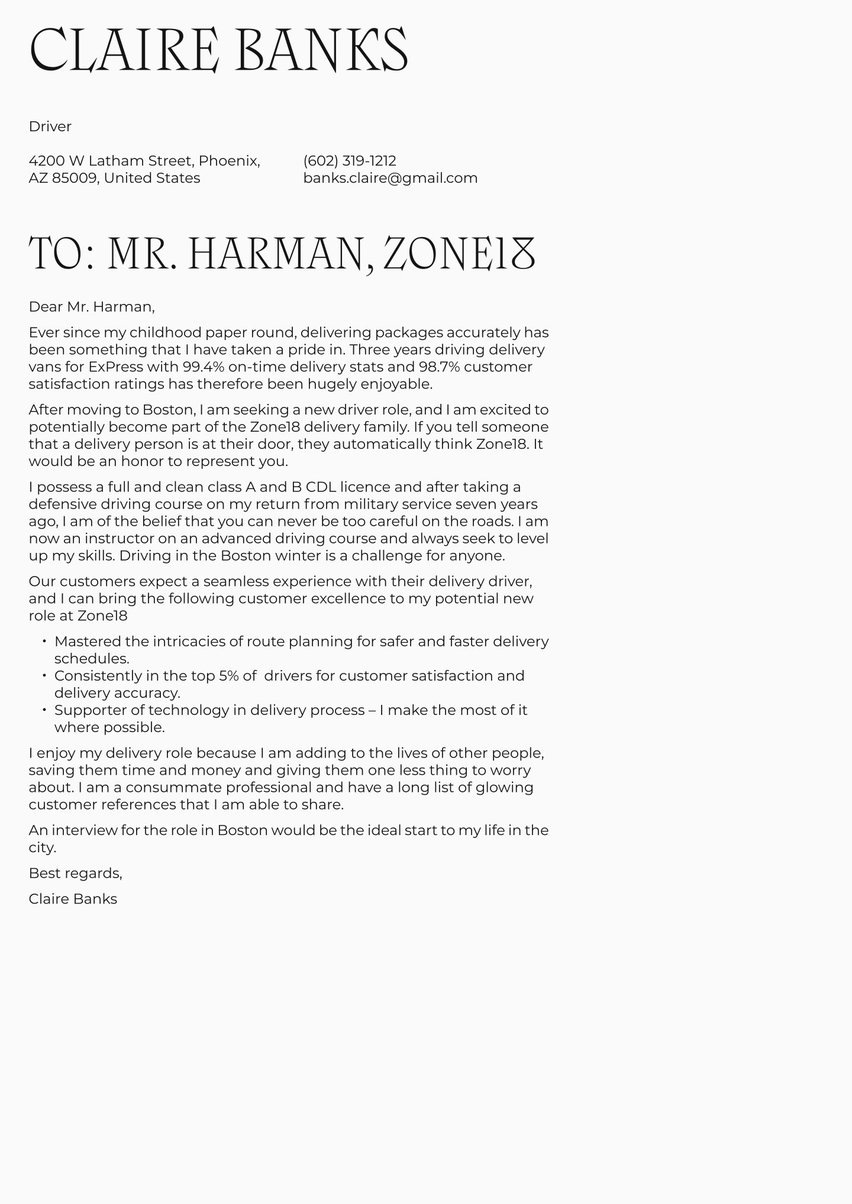
Tailored for Business Intelligence roles, this template’s clean structure and balanced white space highlight precision and clarity—key traits for data-driven professionals. Its modern header styling emphasizes your technical expertise and analytical achievements to impress decision-makers.
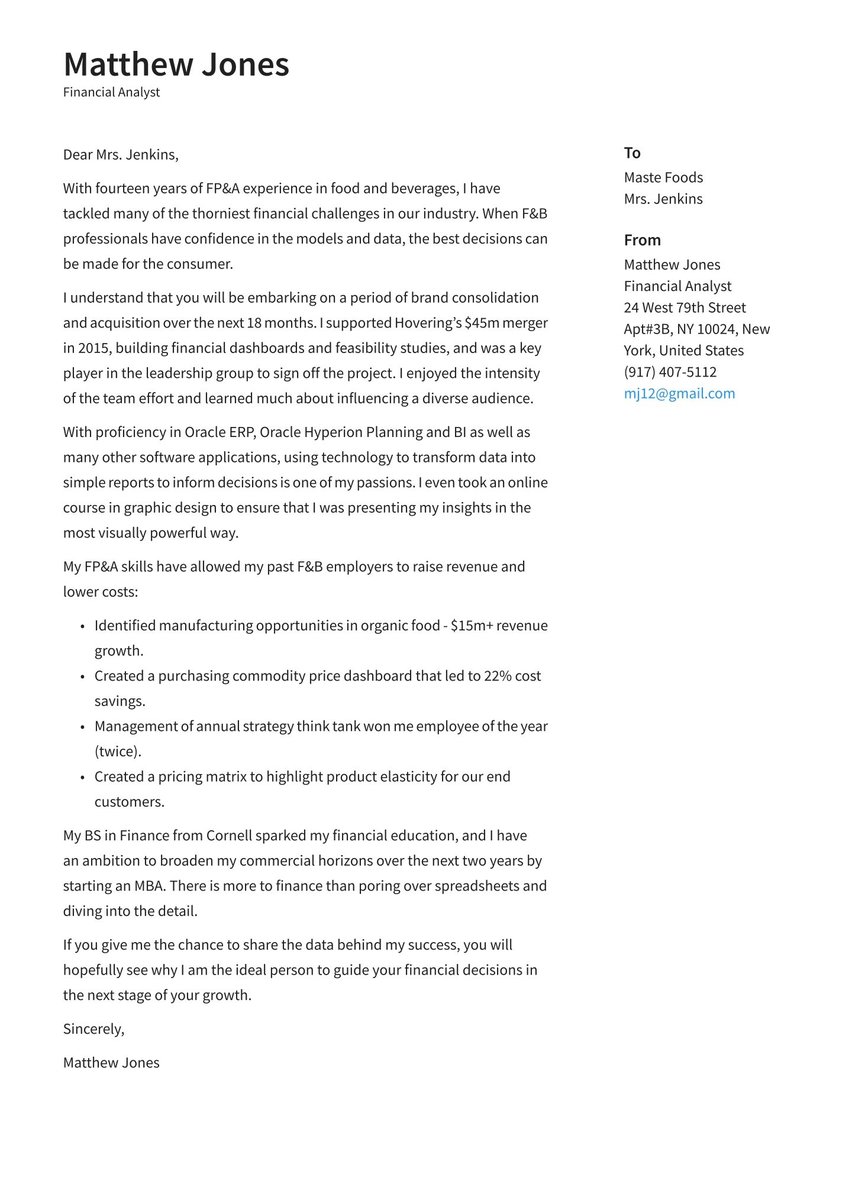
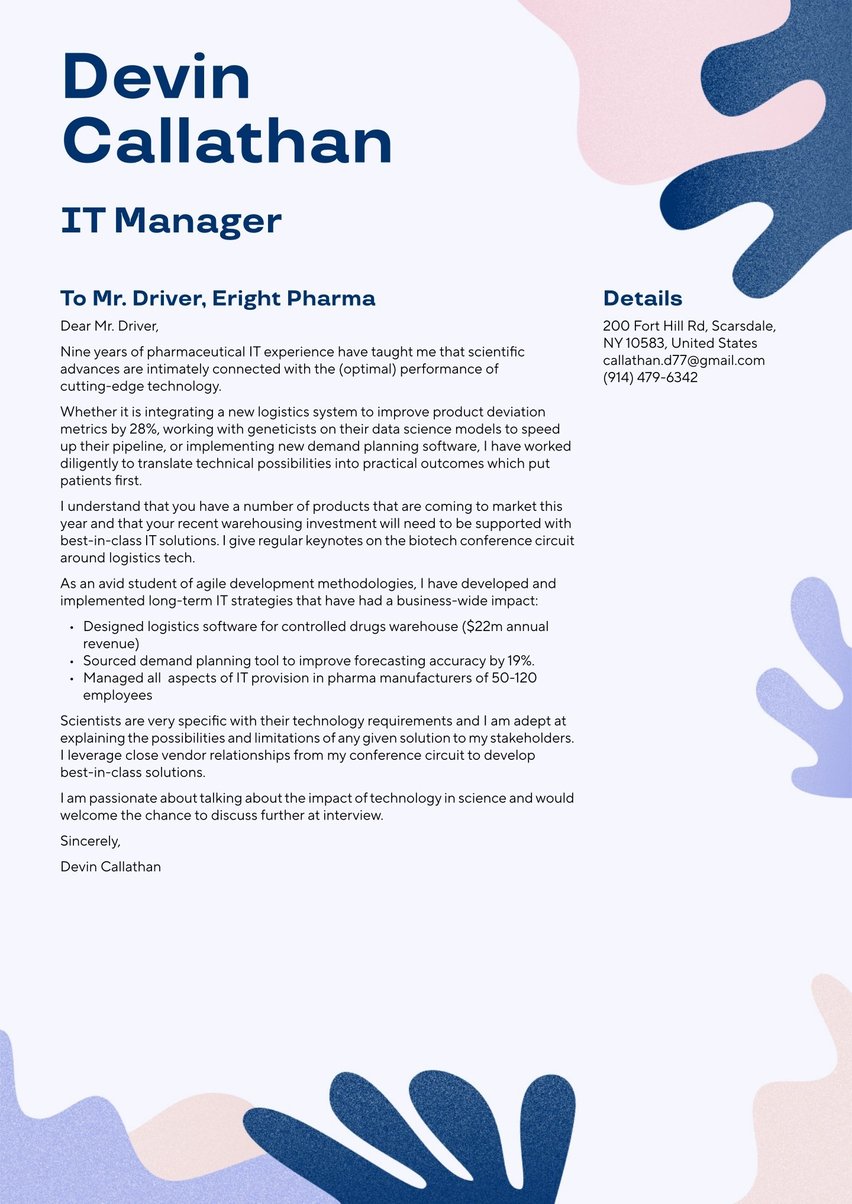
AWS Data Engineer cover letter example
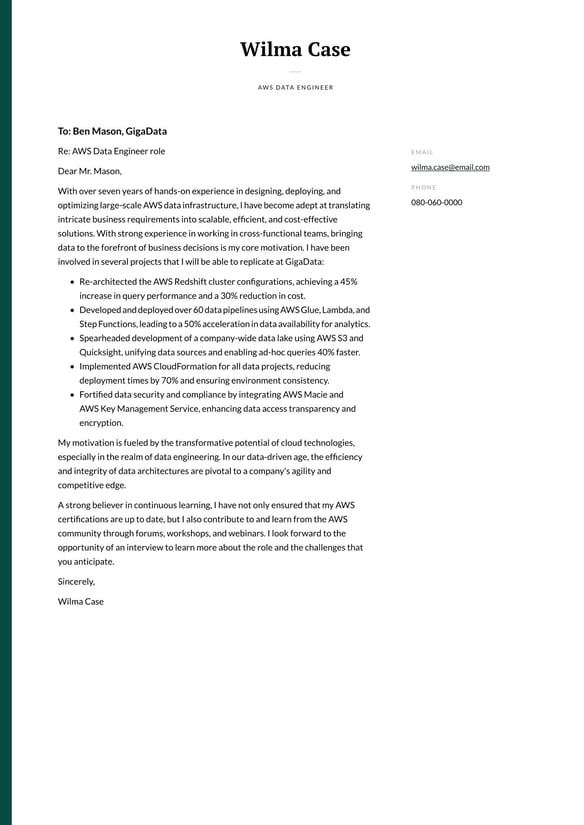
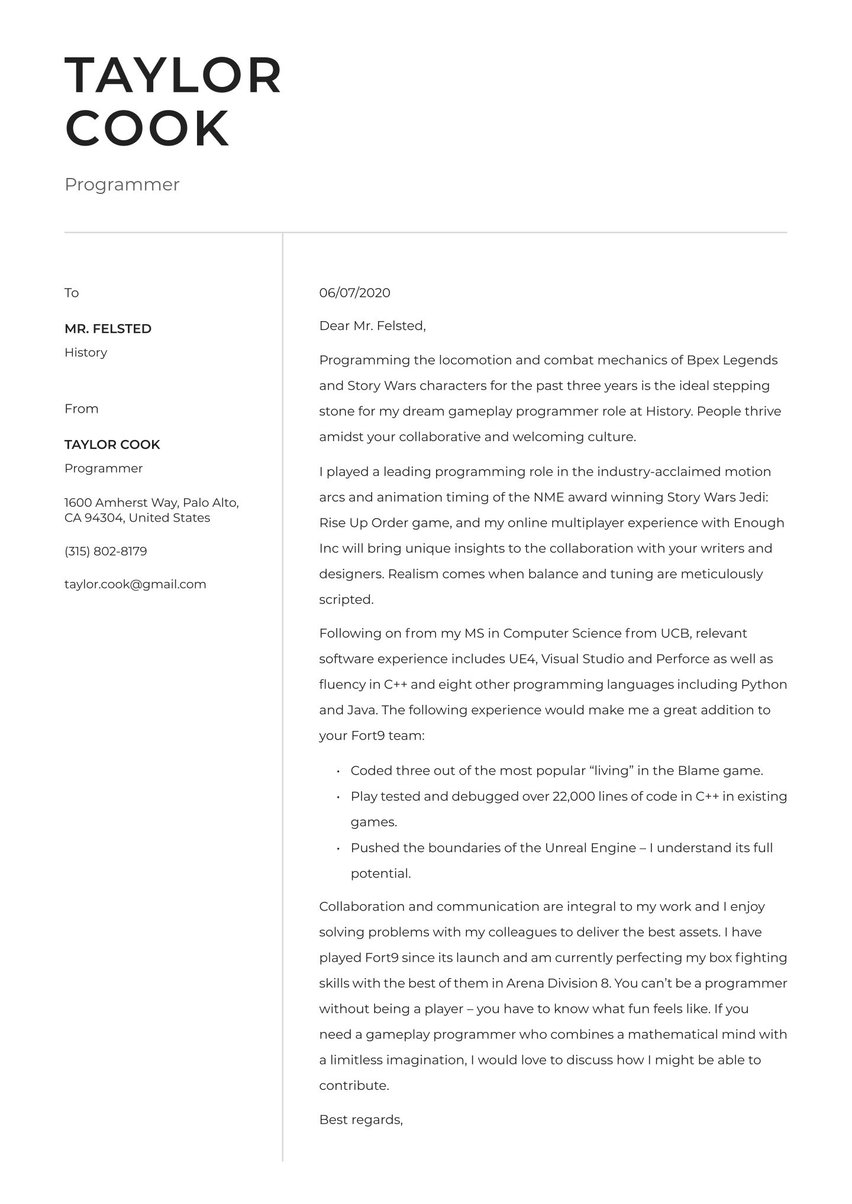
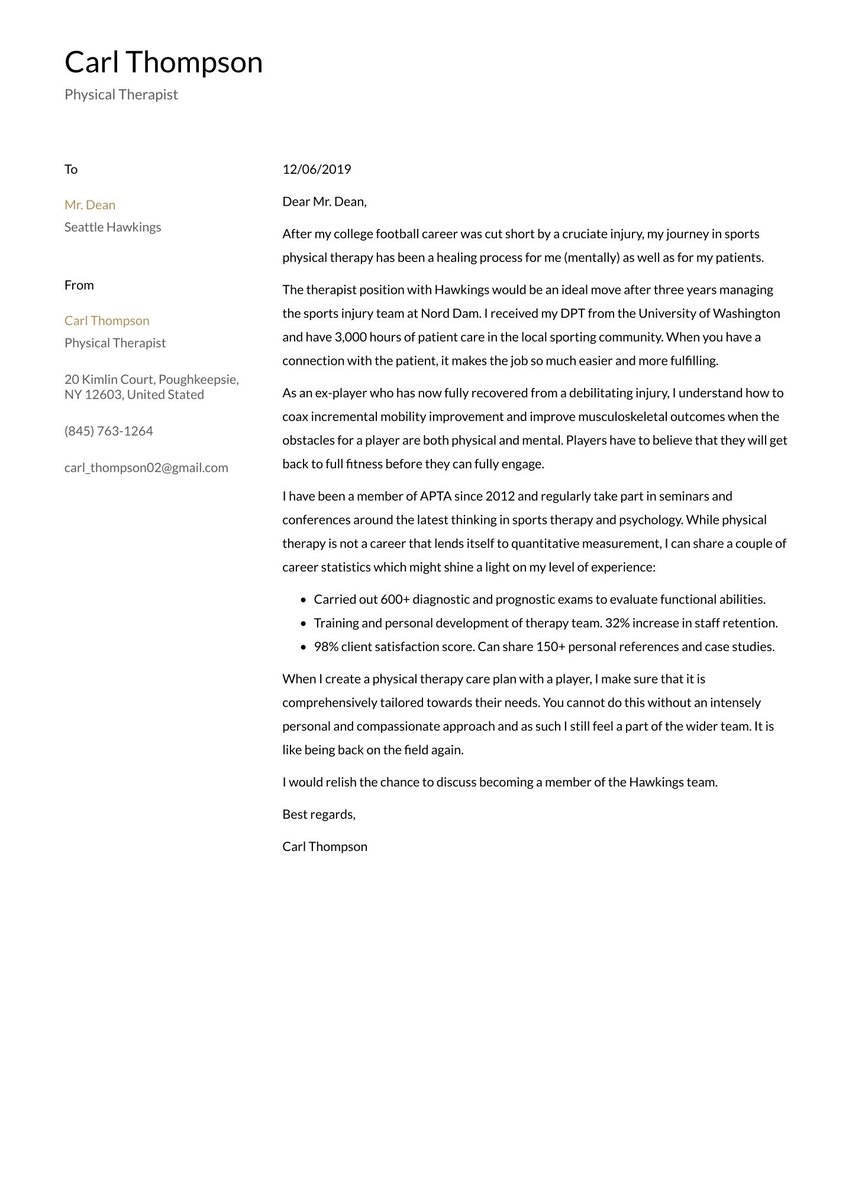
This clean, modern template highlights your technical expertise with a structured layout that mirrors the precision and efficiency valued in AWS Data Engineer roles. Its ample white space and bold headers emphasize key achievements, ensuring clarity for hiring managers.
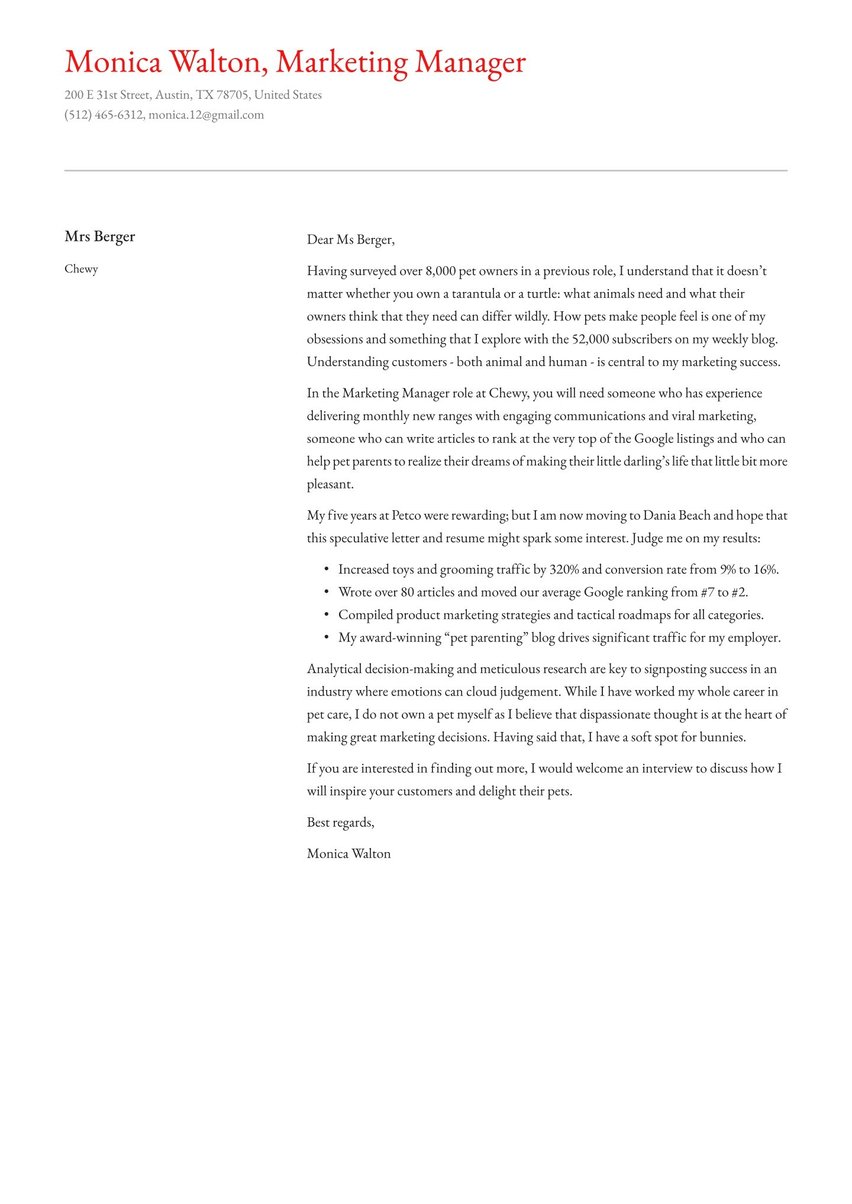
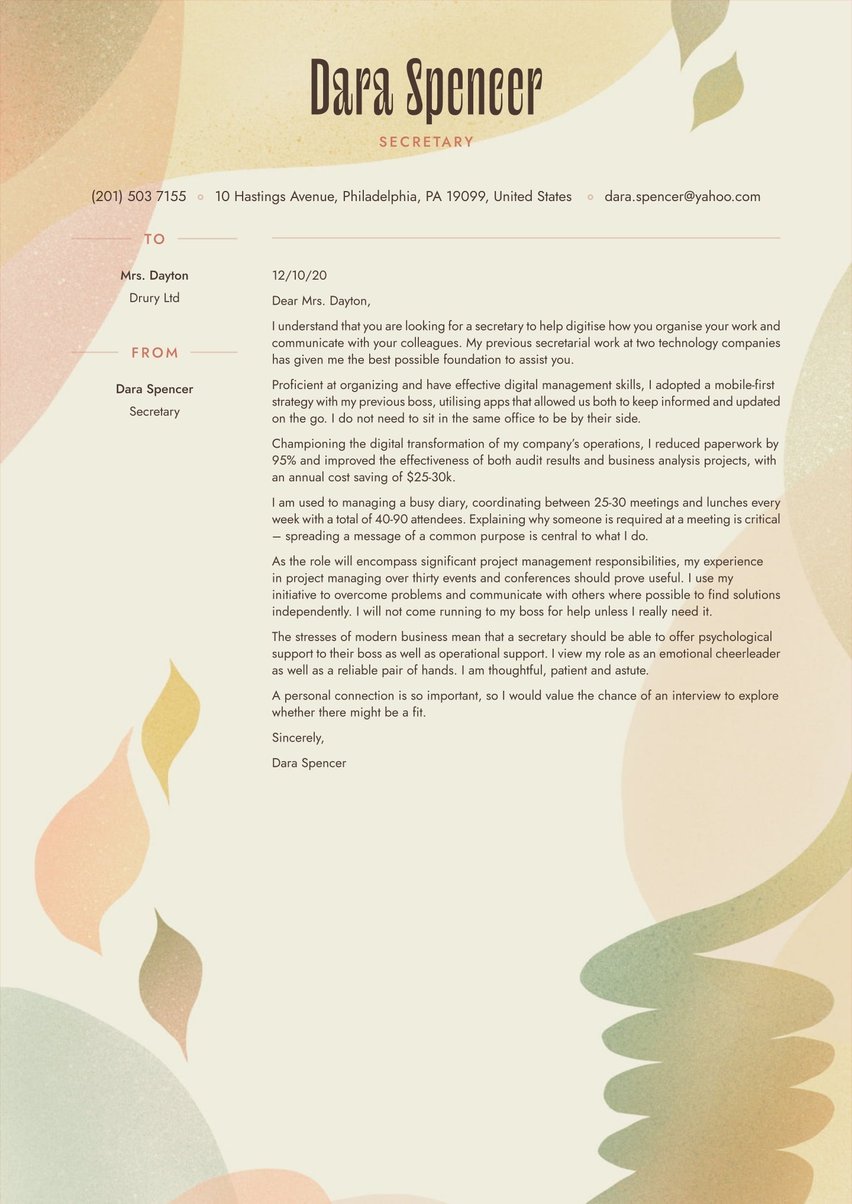
Tableau Developer cover letter example
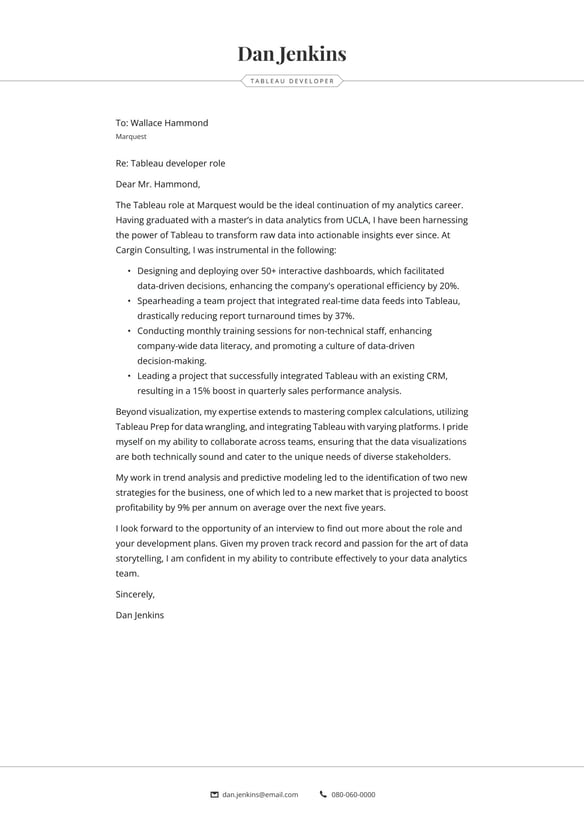
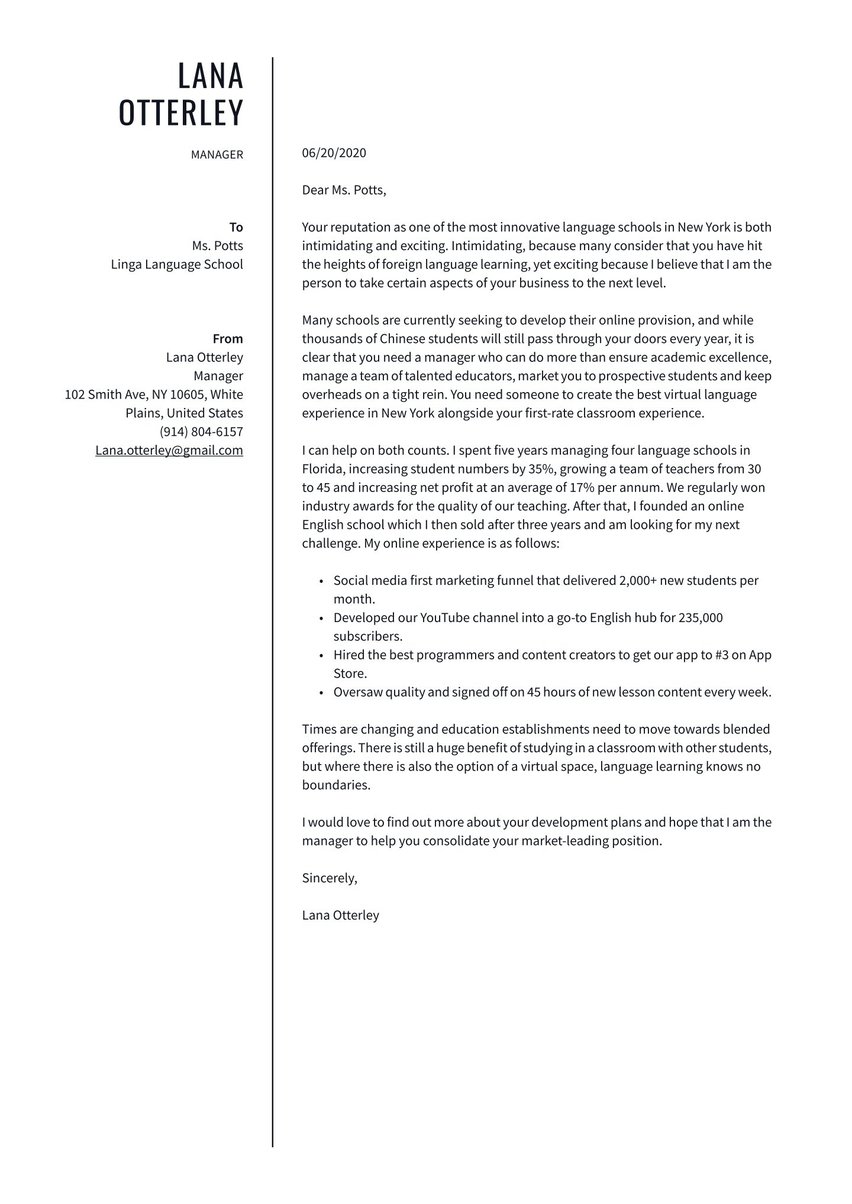
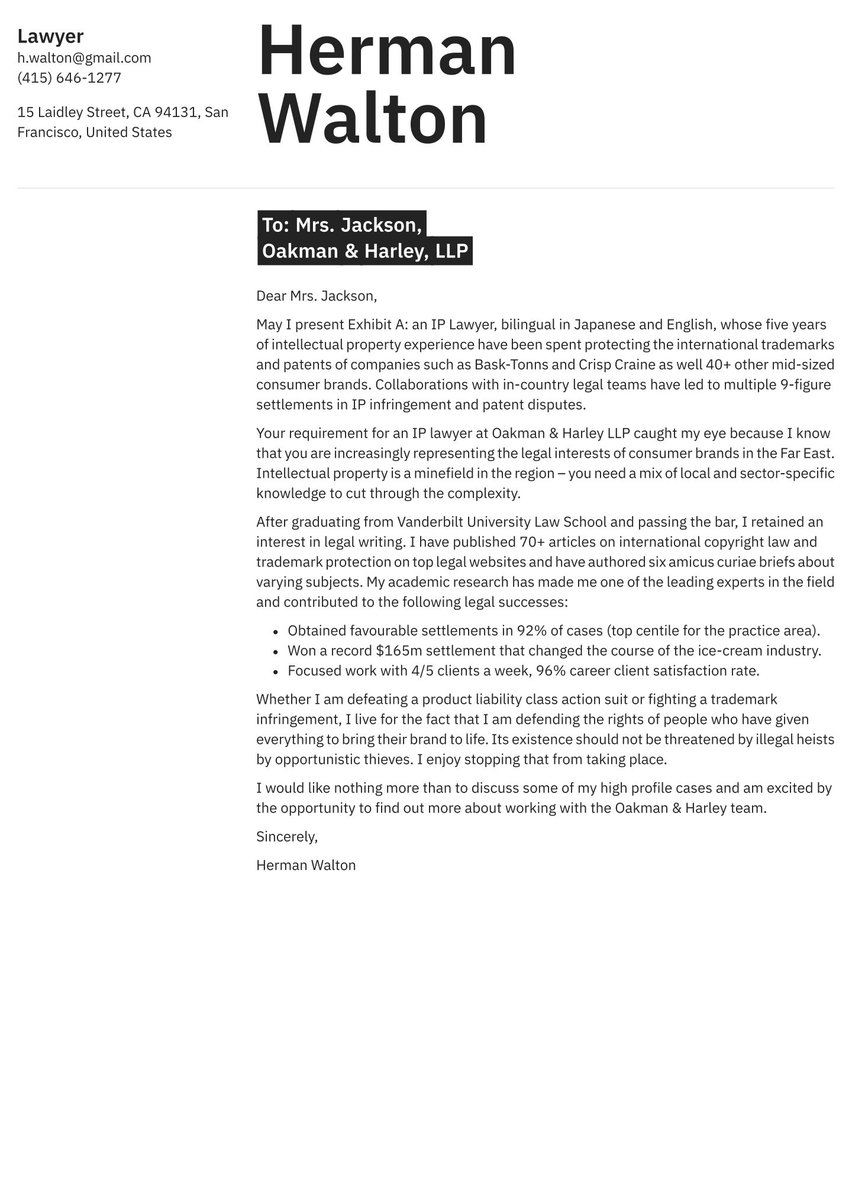
Tailored for Tableau Developer roles, this template’s clean structure and balanced white space highlight your technical expertise and collaborative skills. Its modern header styling ensures your data-driven achievements stand out to hiring managers.
AI Engineer cover letter example
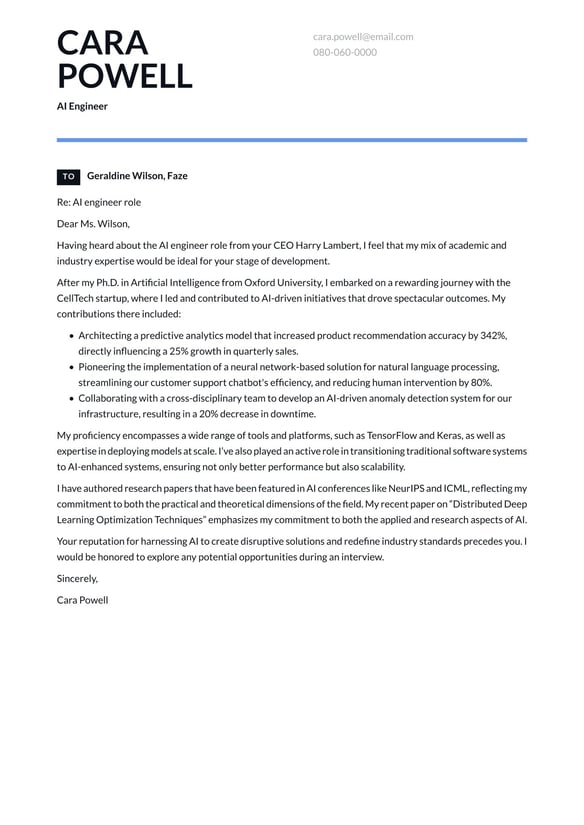
Perfect for AI Engineer roles, this sleek, structured template highlights innovation and precision. Its clean layout and modern header styling amplify your technical expertise, ensuring your achievements resonate with forward-thinking tech recruiters.
From machine learning and data analysis to data mining and data visualization, data science is one of the most exciting fields of the 21st century. Going after the best jobs requires an application that shows off your strengths, highlights your accomplishments and maximizes your chances of landing your dream position. Naturally, a well-crafted resume that effectively summarizes your qualifications is an essential component. But by design, the resume has limitations as a stand-alone document.
In this guide, we’ll discuss one of the most important steps overlooked by many applicants — writing a great cover letter. This document gives you the chance to focus on your data scientist work experiences that matter most. It’s your best opportunity to impress the employer by making a personal connection.
With Resume.io’s tips, tools and resources, you’ll be able to create a highly polished data scientist application that makes your credentials stand out.
This guide, along with an effective data scientist cover letter example will:
- Explain the purpose of a data scientist cover letter and the importance of tailoring your cover letter to each individual position
- Break down the cover letter format and advise how to maximize the impact of each component: header, greeting, introduction, body and conclusion
- Detail one of the most powerful writing tips to connect with prospective employers
- Help you avoid some of the biggest mistakes made by other candidates
Why you need a data scientist cover letter
Primary purpose
Before we dive into the how of writing a cover letter, let’s clarify the what. A cover letter is one of the most requested application materials for good reason. This one-page document (roughly 200 to 400 words) allows you to make a great first impression without ever having to set foot in the door for an interview.
You’ve probably noticed that your resume is great for conveying certain pieces of information like dates, names and degrees. But that’s not everything you have to offer. Your cover letter is the perfect opportunity to discuss your perspectives, personality traits and the relevant soft skills that make you the right fit. You can even use this document to answer any potential questions that may arise from your resume, like gaps in work history.
While good writing is one important aspect of your cover letter, you’ll also need professional formatting to leave an impact. In general, san serif fonts like Georgia, Arial and Helvetica with a size of about 11 point offer the best mix of readability and style.
What if the job application DOESN’T require a cover letter?
Sometimes, the job description fails to mention whether a cover letter is required or describes the document as “optional.” So does this mean you don’t need to submit one?
While other job seekers may try to take the easy way out by submitting only a resume, this is likely to prolong their job search. A cover letter is one of the best ways to make your application stand out and give yourself the best chance of landing the job. Unless the applicant instructions specifically ask you NOT to, it’s always a good idea to write and submit a cover letter.
Now let’s take a look at an actual data scientist cover letter sample:
Dear Mr. Bearstead,
When you have 6,000 SKUs, modelling and analysing the data at every point of their life cycle is crucial to maximising efficiencies. Over the course of my 12-year data science career, I estimate that I have saved over $32m across the breadth of the supply chain.
Using historical data to inform future performance is nothing new, but my award-winning models utilised an unprecedented 142 data sets and created the foundation for four previous employers to invest millions in revamping their operations. I was a regular participant in consumer goods-related Koggle competitions and contributed towards 100+ articles and podcasts. Communicating about data science has never been more important.
Five years ago, on a consultancy assignment, I developed a proprietary machine learning algorithm that is now used by every large consumer goods company in the U.S, bringing brands closer to customers and making supply chains shorter by up to 25% in terms of time and 16% in terms of the maximum logistics cost saving. My predictive analysis forecasting tool did the job that a team of 20 had struggled to manage.
A master’s in data science from Cornell marked the start of my interest in data science academia and I have had fifteen white papers peer-reviewed to date. It goes without saying that I am a proficient programmer, with more than a decade’s experience in the most prevalent programming languages, databases and data visualisation tools. Big data science is fiendishly complex if you do not have a clear vision of how to dive into the lakes.
Working as an in-house data scientist is incredibly rewarding, as you are able to influence the minutest of decisions on a daily basis. I would value an interview to discuss how finding the right data can make the biggest difference to everyone in your business.
Yours sincerely,
Gregory Matthis
Secondary purpose
A great cover letter is all about one thing: maximizing your chances of landing your dream position. While it’s true that data scientists are in high demand, not all jobs are created equal. If you’re looking for opportunities with comfortable salaries, room to grow and the chance to make a difference, then you’re going to be competing with the best of the best.
A cover letter is your chance to level the playing field. This is especially important if you’re a recent grad and your resume feels a little thin. A cover letter allows you to highlight your strengths, explain why you’re the right fit for the company and create the best argument for your employment. When done well, you might even be able to put yourself ahead of other candidates who have years of experience but no interest in learning new things.
Let’s imagine a hypothetical applicant pool for a data scientist job. Only half of the candidates, including you, have some knowledge of machine learning and big data. Out of those, only half have mastered Python. Now it’s down to you and just a handful of others.
On paper you all seem relatively equal, but as the hiring manager reviews your cover letters, she notices you’ve made an effort to address why you’re the right candidate to help the publisher use data to market books in the digital age. Your attention to detail and interest in the industry is impressive, and your cover letter has helped you land an interview.
The importance of tailoring your cover letter
One of the most important things you can do to make your cover letter stand out from other applicants is to tailor it with the exact skills and personality traits needed for each individual job position and employer.
This means choosing the most relevant examples from your past work history and incorporating them in a way that highlights your potential contributions to your new employer. This added effort will help your cover letter stand out and maximize its chances of landing you the job.
Tailoring your cover letter is not only about words. You should also make sure your formatting matches the look and feel of the employer. Use the company’s website and social media to get a sense of its tone. Then, choose a template that captures the right sense of formality for the position.
Best format for a data scientist cover letter
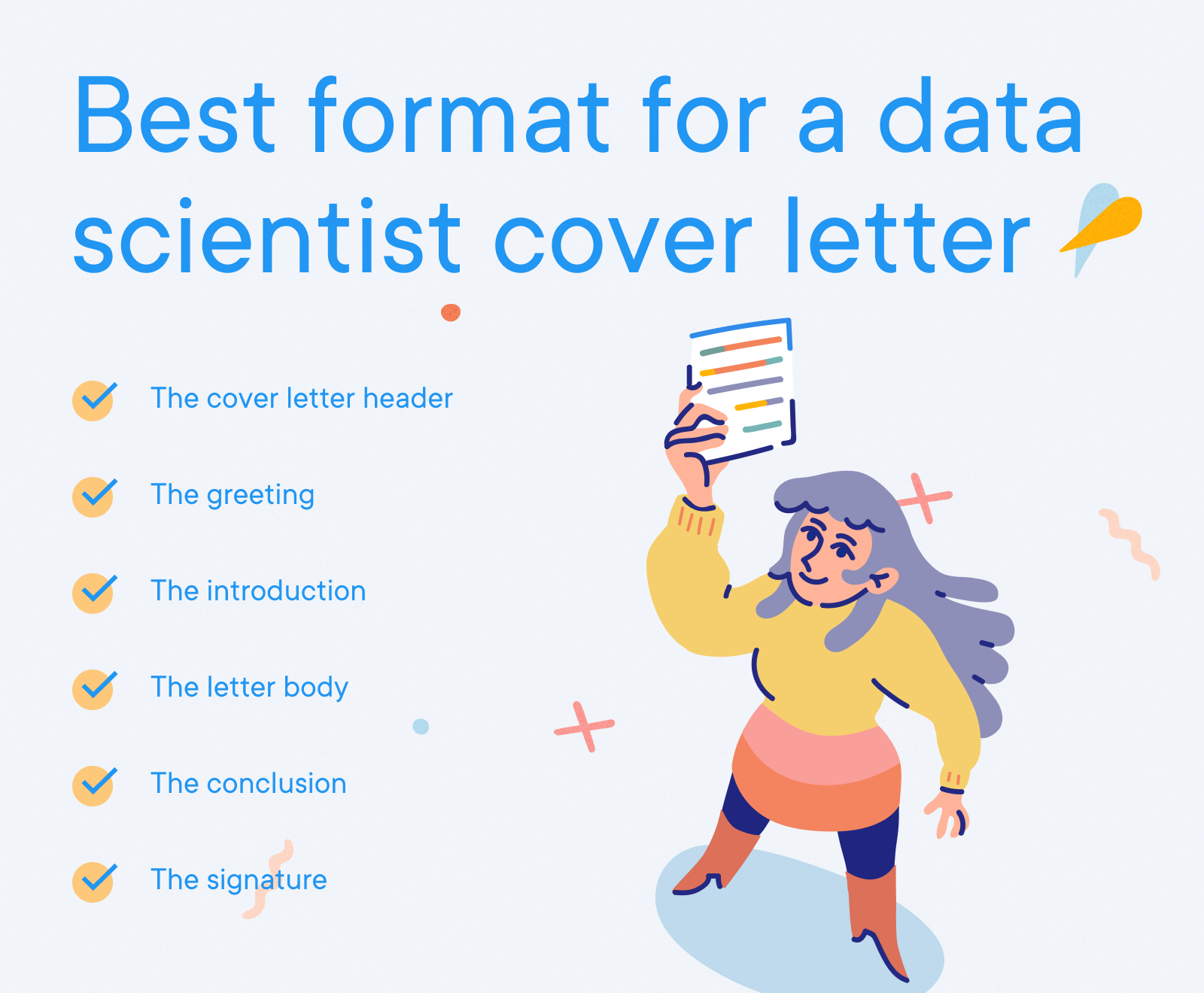
Many applicants fear the cover letter writing process because they think it lacks structure. Luckily, you don’t have to be among them. In this chapter, we’ll break cover letter organization into manageable sections so you can quickly check off all the essentials.
Here are the key components:
- The cover letter header
- The greeting
- The introduction
- The letter body
- The conclusion
- The signature.
Learning to write a great cover letter is a skill that will benefit you for the rest of your career, since the format doesn’t change much between positions or industries.
Cover Letter Header
Your cover letter header serves two important roles. The first is to help identify your document with your name and the necessary contact information. When submitting your cover letter through an online application system, you’ll want to keep the header brief. Just make sure those who come across your letter know who you are and how to get in touch should they want to set up an interview.
The second purpose of your cover letter header is to add a touch of attractive formatting to an otherwise bland document. This will help catch the reader’s eye and make your application stand out.
The goal of this section: Identify your cover letter with your name, phone number and other personal data; create professional and attractive formatting.
Align document styles!
One way to make sure your formatting leaves a great impression is to align the document styles of your data scientist cover letter and resume. This simple action will help you create a “personal brand,” a look and feel that makes your application stand out.
If you’re not sure how to start this process, resume and cover letter templates, like ones from Resume.io, can make matching documents much easier. Just make sure to do a quick Google search and research the public image of the company so that you can use colors and designs that are in line with its tone and mission.
Cover Letter Greeting
The cover letter greeting is a small but mighty section. This is where you have the opportunity to establish that all-important personal connection and set a polite tone for the rest of the letter. In general, “Dear” followed by the correct salutation and the last name of the hiring manager works well for most professional situations. If you already have a relationship with the employer or you’re submitting your cover letter in the body of an email, “Hello” or “Hi” may also be appropriate.
The goal of this section: Establish a personal connection and a respectful tone by using the hiring manager’s name in your greeting.
The importance of names and addressed greetings
Addressing a hiring manager or employer by name is one of the most important steps you can take to ensure your cover letter makes a great first impression. You can also address more than one person by name or a hiring manager plus the name of the company.
However, in some large companies, hiring is done by a team and it might be nearly impossible to determine exactly who will be reading your letter. In that case, you have other options. Before resorting to the bland “To Whom It May Concern,” try using a warm but general word like “Hiring Team” or even “Family” if the branding is appropriate.
Cover Letter Introduction
Your cover letter should be written for human beings. That means it needs to be interesting and fresh enough to catch and hold a reader’s attention. Nowhere is this more important than in the introduction paragraph. A hiring manager might only have the time to read your opening sentence before deciding whether or not to continue, so it’s worth paying attention to make sure this section conveys the right tone. A relevant anecdote, exciting personal statement or useful fact can all help lead into the body section of your letter.
The goal of this section: Catch the hiring manager’s attention with a relevant fact, interesting anecdote or exciting statement and encourage them to continue reading into the body section.
Cover Letter Body
The cover letter body is where you can finally dive into all the relevant experiences and skills that make you the right candidate for the job. Since this is the largest part of your cover letter, you can simplify the writing process by breaking it down into two subsections.
In the first, you can use the STAR method to describe a Situation, the required Task, your Action and the positive Result you achieved. Make sure to choose anecdotes that relate to situations you may encounter in your prospective position.
In the second paragraph you can focus on a mix of hard and soft skills and use strong action verbs to describe your potential contributions to the new workplace.
The goal of this section: Use the STAR method to describe previous successes and milestones, and give your prospective employer an idea of the potential contributions you could make to their workplace
Cover Letter Conclusion and Signature
Now that you’ve made the best argument for your employment, it’s time to finish your letter with the appropriate closing. To increase your chances of hearing back, you’ll want to create a call to action. This sentence expresses enthusiasm for the position and invites the hiring manager to contact you.
Then, end your letter with the appropriate signature based on the formality of the company and your relationship with the employer. “Best regards,” “Sincerely” and “Thank you for your consideration” can all work well.
The goal of this section: Create an effective call to action that encourages a hiring manager to contact you, then use with the appropriate signature to close on a positive note
Writing psychology – cover letter tools and strategies
For a data science job, there are a few key qualities you’ll want to convey in your cover letter:
- Communication: Being able to clearly communicate the results of your research, both in written and oral form is one of the most important skills for any data scientist. Successful presentations, papers and examples of good teamwork across departments can aid in proving your abilities, as can error-free cover letter writing.
- Business sense: Most data scientists work across a variety of businesses and industries helping their employers use statistics to earn a profit. Understanding your employer’s underlying goals is one of the most important soft skills you can demonstrate in your cover letter.
- Teamwork: You’ll likely have to work with a research team or even across departments, so knowing how to effectively lead and communicate with others will make you stand out as a candidate.
- Curiosity: Data scientists who work outside of computer-related industries often find their position requires a lot of curiosity, motivation and initiative. Giving examples of how you plan to drive yourself forward to solve big challenges can show an employer you have the right personality to work independently.
Persuade with a story
Humans love a good story. In fact, the positive response storytelling has on our brains has been well documented by science. Advertisers and businesses have long used this fact to their advantage (think about those inspiring and heartfelt commercials during the Olympics).
You can also make use of storytelling to create an emotional connection with the letter reader and compel them to give you a shot.
For those outside of the field of data science (likely your employer and the hiring manager), it may be hard to understand exactly what you do and how you do it. Instead of overwhelming the employer with technical knowledge, focus inside on the impact your work will have on them and their business.
A concrete example of a time when your research allowed a company to implement positive change is one of the best examples to share with your potential employer. Choose stories that mimic the type of work you’ll be doing in this new position and use a mix of quantitative and emotional evidence to support the fact that your work was well-received.
You may not be able to make the employer understand the ins-and-outs of data science, but you should convey an understanding of their needs and how you can work to solve their problems.
The importance of specificity
While you’ll want to avoid too much technical information and terminology, a few well-placed details can actually help your cover letter stand out. Facts, numbers and statistics all give weight to your accomplishments and help an employer see the truth about your value to a company.
Common mistakes
Here are some all-too-common mistakes made by many candidates for data science positions:
- Jargon and too many technical details: Keep in mind that the first hiring manager who reads your cover letter likely isn’t a data scientist. Make sure to hit the most relevant skills without filling your document full of unnecessary or overly complicated terminology.
- Grammar and spelling mistakes: Typos and grammatical errors give the impression you don’t have the attention to detail or the great communication skills you say you do. Make sure to use spell check and have a friend proofread your cover letter before submitting.
- Formatting errors: Visual appeal might seem secondary, but unprofessional formatting can turn an employer off from reading your cover letter entirely. Luckily, online tools like Resume.io’s cover letter templates and builder can help you create great formatting in just a few clicks.
- Generic letters: A hiring manager can quickly flag a candidate as lacking effort and interest in the position just based on a copy-paste generic letter. Make sure to tailor your letter with the right skills and experiences for each job.
Key takeaways for a data scientist cover letter
- A thoughtful cover letter is a key component of any high-quality application. Unless an employer specifically asks you not to include one, it’s always a good idea to submit one with your resume.
- Tailoring your cover letter with the most relevant examples and skills for each individual position shows an employer you’re an invested and interested applicant and maximizes your chances of landing the position.
- Follow the trusted cover letter structure to make sure your document is well organized and includes all the necessary information.
- Don’t forget to include relevant numbers and statistics to back up your accomplishments and show the value you can bring to a potential employer.
- Great formatting shouldn’t be an afterthought. Online tools and templates can help you put together a polished application in just a few minutes.
If you’re looking for additional inspiration for cover letter writing, you can check out our related Information Technology cover letter examples.
- Data Entry cover letter example
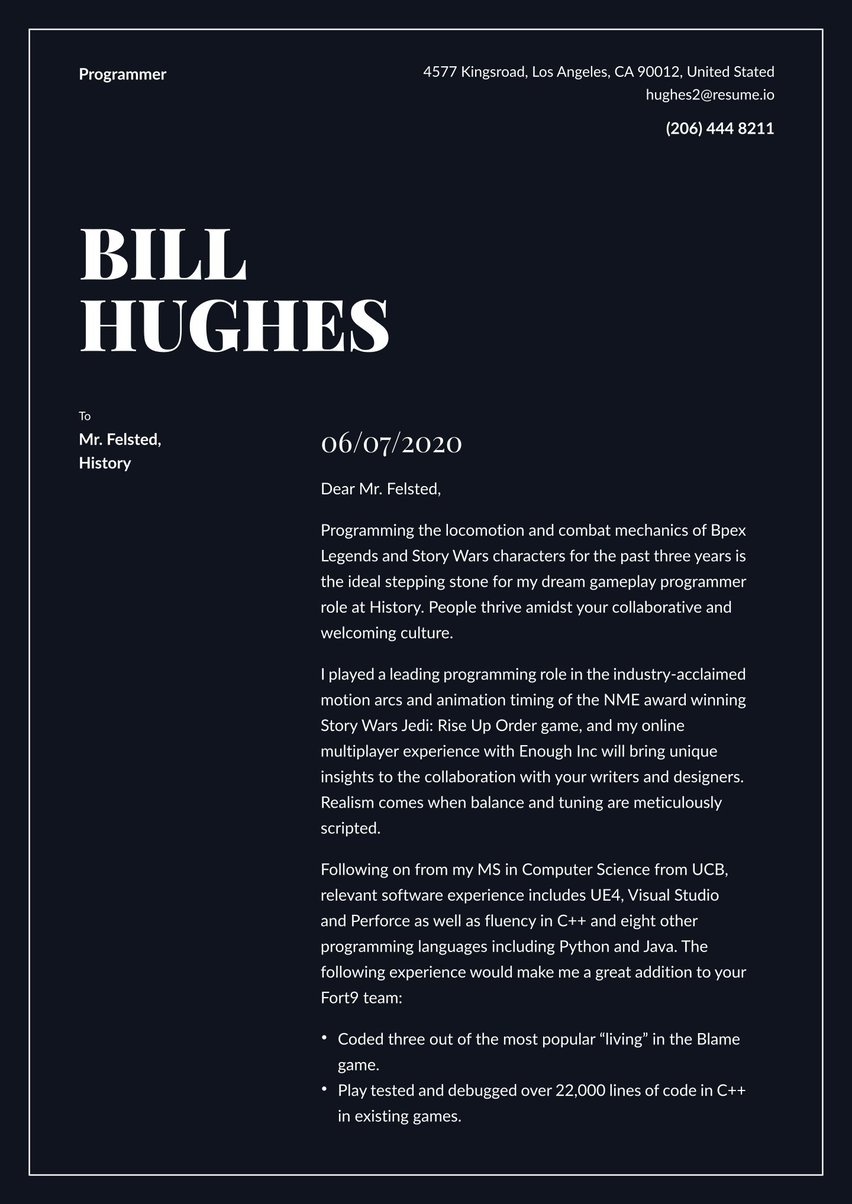
- Programmer cover letter example
- Data Analyst cover letter example
- Software Developer cover letter example
- Software Engineer cover letter example
- Graphic Design cover letter example
With resume.io, you can create a perfect cover letter in just a few minutes. No uncertainty, no hassle. Go out there and win!
If you haven’t already perfected your resume, that’s a great place to start. Resume.io’s resume samples for data scientists, templates and resume builder can help you create professional writing and polished formatting in just a few clicks.